
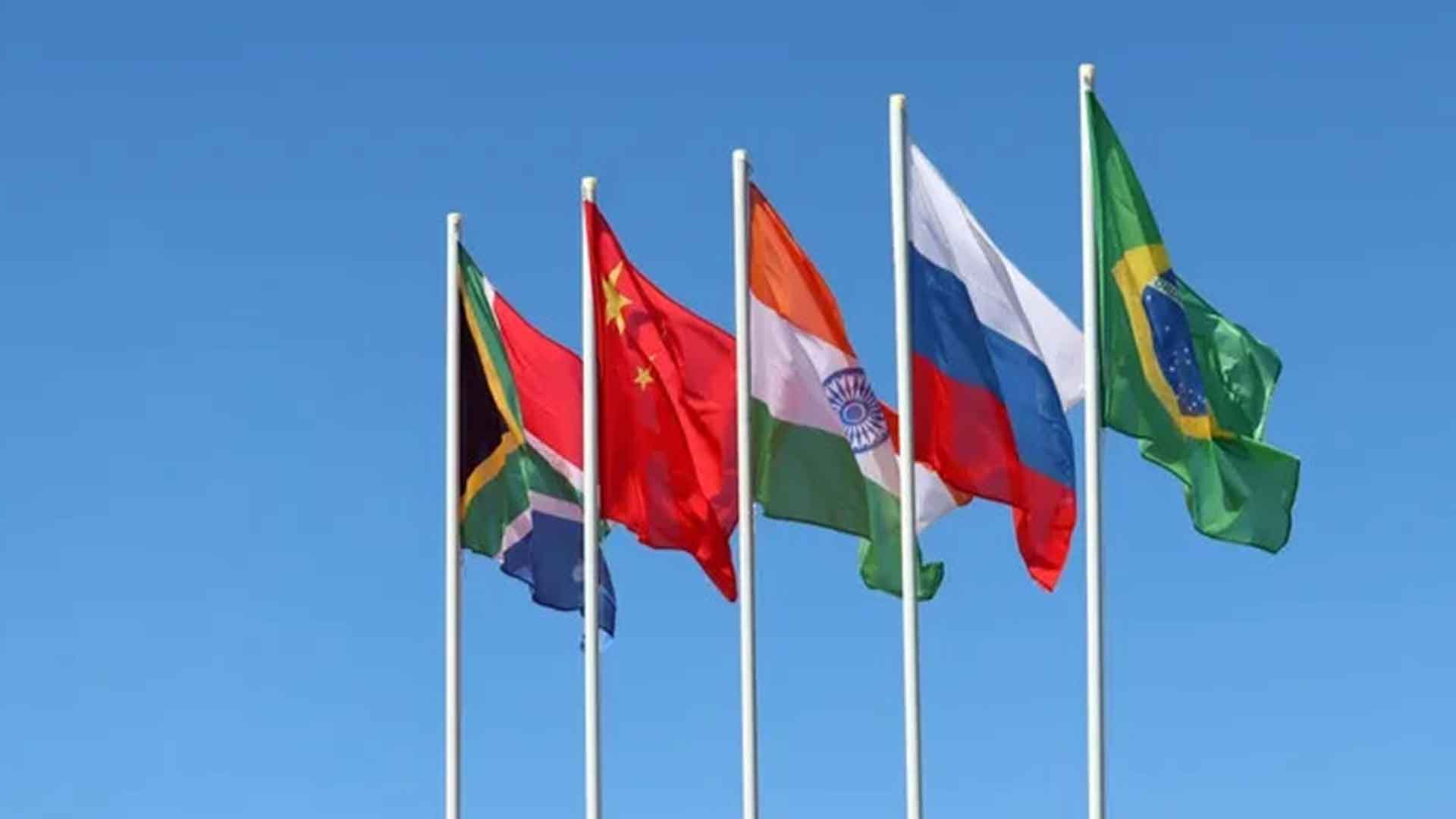
A new geopolitical equation against Israeli aggression
In a stunning geopolitical reversal, the BRICS alliance consisting of India, Russia and China has explicitly stated that recent Israeli and U.S. military aggressions against Iran are unacceptable. This collective statement reflects more than just a change in people’s diplomatic postures; it marks a reimagination of the geopolitics of the world considering the Iran-Israel clash.
In a statement quoted by Al Jazeera, the BRICS (Brazil, Russia, India, China, and South Africa) bloc, along with the addition of Iran and the UAE most recently, expressed “deep concern” at the attacks on what it called Iran’s “peaceful nuclear installations.” The strikes were a flagrant violation of international law and the UN Charter, the collective said.
A Message of Solidarity with Iran
The BRICS statement is well-timed. A cessation of hostilities was declared between Israel and Iran on 24 June as a short break in the tension between the two countries came into effect. The bloc’s expression of solidarity with Iran is more than just a statement. It is reflective of a much broader ideological posture: opposition to unilateral acts of war, and insistence on adherence to multilateral conventions.
BRICS said in its condemnation of the attack that Iranian nuclear sites are under international supervision and comply with the IAEA rules. Striking such sites, the bloc’s members argue, would violate not just Iran’s sovereignty, but also the very edifice of global nuclear governance.
India’s Calculated Shift
It is significant that India has been party to such strong language. In the past, it has sought to balance its relationship between the West and strategic partners, such as Iran and Russia, and its alignment here reflects a growing commitment to a multipolar world order. This could also be interpreted as a rebuke to the emerging era of Western military unilateralism in the Middle East a region critical to India’s energy and diaspora interests.
India’s placement in BRICS has been widely understood as pragmatic more than ideological. But this universal condemnation hints at a move from passive non-alignment to active participation in global normative discussion.
China and Russia: Anchors of the Anti-Western Pole
China and Russia, the most outspoken in BRICS against Western hegemony, have long viewed Iran as a key partner in the construction of alternative architecture against U.S. dominance. Critical perspectives toward the Israeli and American actions are predictable, but when reciprocated by India, Brazil, and South Africa, they indicate a new inter-internal coherence within BRICS.
With its Belt and Road ambitions, China sees regional stability in Iran as crucial to its strategic calculus, as does Russia, which is deeply interwoven in the Middle Eastern security politics. Describing the assaults as transgressions of international law, the want to reassert the importance of sovereignty and multilateralism, values they say the West habitually ignores.
From economic blocks to political powers
Conceived as an economic club of developing nations, BRICS now sees itself as a geopolitical balancing force. The group is increasingly becoming a platform for strategic cooperation and concerted action, with new members including Iran and the UAE. Its collective position on this crisis is proof of a self-confident BRICS, one no longer afraid to get embroiled in global security matters.
The appeal for diplomacy and de-escalation is more than just a diplomatic talking point. It is a wider philosophical contrast between the BRICS and the U.S.-led bloc: while the latter prefers usually to coerce things, BRICS is positioning itself as the voice of dialogues, peace, and respecting sovereignty.
What This Means for the World Order
This development has very deep implications. 4 In this regard, as the BRICS coalition grows and discovers its shared political voice, so too will its capacity to help shape global narratives around conflict, security, and legality. This increasing homogenisation might be viewed as a threat to Western accounts of global conflicts, in sensitive areas such as the Middle East.
In addition, the refusal to pander to the power of Israel’s patrons, clearly expressed even though Israel has some strong backers, represents a new boldness on the part of the group in addressing uncomfortable questions that were hitherto tiptoed around. It also establishes a precedent: the unified disapproval of the major global players who are outside of both NATO and Western blocs can no longer be disregarded.
Conclusion
The BRICS declaration criticizing Israeli and U.S. military actions is a blow to US-Israel and reversal of global diplomacy. Beneath the headlines, it reflects a shift in power in favour of multipolar intercourse, respect for sovereignty and rule-governed international conduct. Whether this will yield actual deterrence or remain symbolic will be determined by the future consistency of the individual BRICS nations in enforcing it in future crises. But there is one thing that is certain: the world is no more unipolar, and BRICS is demanding to be heard.