
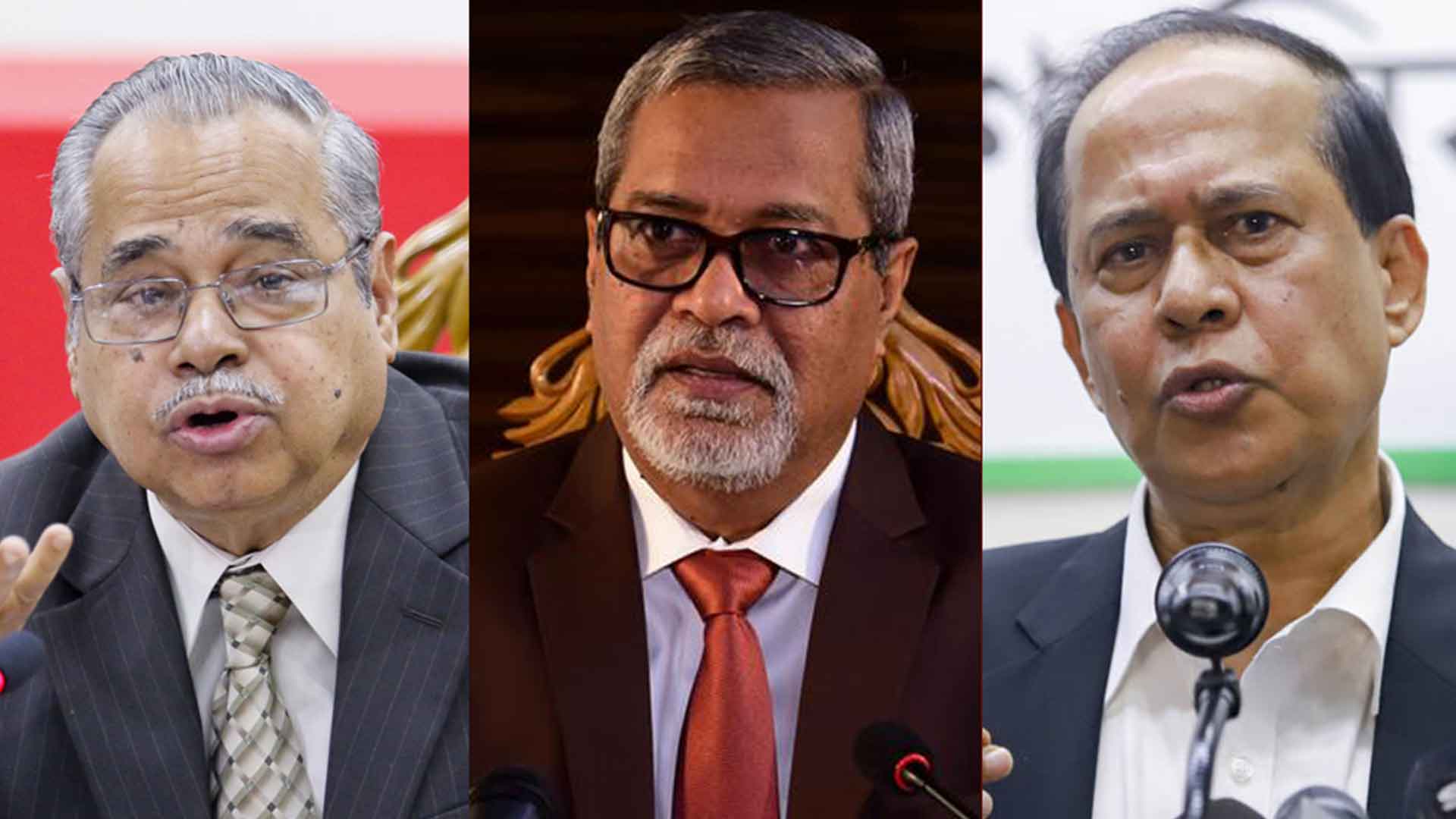
Government forms committee to investigate past Jatiya Sangsad elections
To dispel growing worries over the credibility of elections, the government has, in a major decision, constituted a five-member committee to probe allegations about the last three Jatiya Sangsad (National Parliament) polls. Comprising former high court division judge of the Supreme Court Justice Shamim Hasnain, the committee has been sent up to probe into violation of rules and prepare recommendations for holding future elections in a free and fair and neutral manner.
A Turning Point for Democratic Accountability
This comes in response to continued public debates, civil society criticism, and national and international calls for greater transparency and openness in Bangladesh’s recent general elections. The 10th, 11th, and 12th parliamentary elections have all been marked by various levels of criticisms, including opposition boycotts, vote-rigging, voter suppression and election rigging like the bias that has been ascribed to electoral bodies.
By creating this committee, the government shows that it takes these concerns seriously, in an organized and institutional way. The appointment of a retired judge shows the need for fairness, legal expertise, and public trust in the committee’s work.
The Committee’s Mandate
The 5-member panel is poised to:
Look through the records of the last three general elections in matters.
Examine claims of corrupt election practices or process deficiencies.
Consult widely with political parties, election monitors, civil society activists and others to ensure 2. full opportunity for input.
Scrutinise the responsibility and efficacy of the Election Commission and the police during elections.
Propose practical changes to enhance the fairness, neutrality, transparency, credibility, and confidence of registered voters in the election process.
A judge with a high moral authority Justice Shamim Hasnain carries his judicial tempered wisdom as well. Famed for his fair legal interpretations and moral character, his direction is expected to give credence and weight to the committee’s conclusions.
Public and Political Reactions
The creation of the committee has generated diverging reactions. Supporters say it is an essential move to restore trust in the democratic process and to keep political polarization in check. “We welcome any step that perpetuates transparency,” said a senior leader of a leading opposition party, “but this process must be independent, inclusive as well as empowered.”
Sceptics, however, doubt whether the committee will have enough power or access to have any real effect. Some also warn that without serious attempts at enforcing the commission’s recommendations, the effort could be little more than symbolic.
A Road Toward Reform
The committee’s inquiry has come at a time of heightened political sensitivity for Bangladesh’s democracy. With local elections on the horizon and mounting global interest in governance, the time is ripe for electoral reform and its outcomes could be significant.
Observers are eager to learn how the committee will operate, such as its timetable, procedural purview and means of transparency. The committee, the government has assured, will function independently and submit a detailed report within six months.
Should the suggestions prove strong and be followed through upon, the effort could lead to lasting electoral reform and a resurgence of democratic values. As Bangladesh embarks on this path of maturation as a democratic nation, the recommendations of the Justice Hasnain Committee could become the blueprint for restoring public faith in the ballot.