
Intelligence Breach Raises Alarms
Intel for the Decade’s Largest Breach: Details of a Classified Israeli Raid Exposing what is being called one of the most serious intelligence leaks of the past decade, Israeli spies carried out an operation inside Iran with the help of a mole in the country. The disclosure has rattled the world’s diplomats and spies, renewing fears in an already tense Middle East.
The Leak
On June 10, intelligence sources told the outlet that sensitive information about a pivotal Israeli strike on a nuclear site in Iran’s Isfahan province had been exposed. The leak, which was initially reported by an independent cybersecurity watchdog and then amplified by major international outlets, contained satellite images, internal memos and incomplete communications purportedly from Mossad agents.
No state is believed to have taken responsibility for the leak, but internal probes are under way in Tel Aviv and Washington, D.C., where the most senior officials believe that the skullduggery will have occurred during a series of top-level joint planning sessions. The U.S. Department of Defence declined to comment, but a Pentagon spokesman said, “shared operations rely on trust, and any violation of that trust will be taken seriously.”
Fallout in the Region
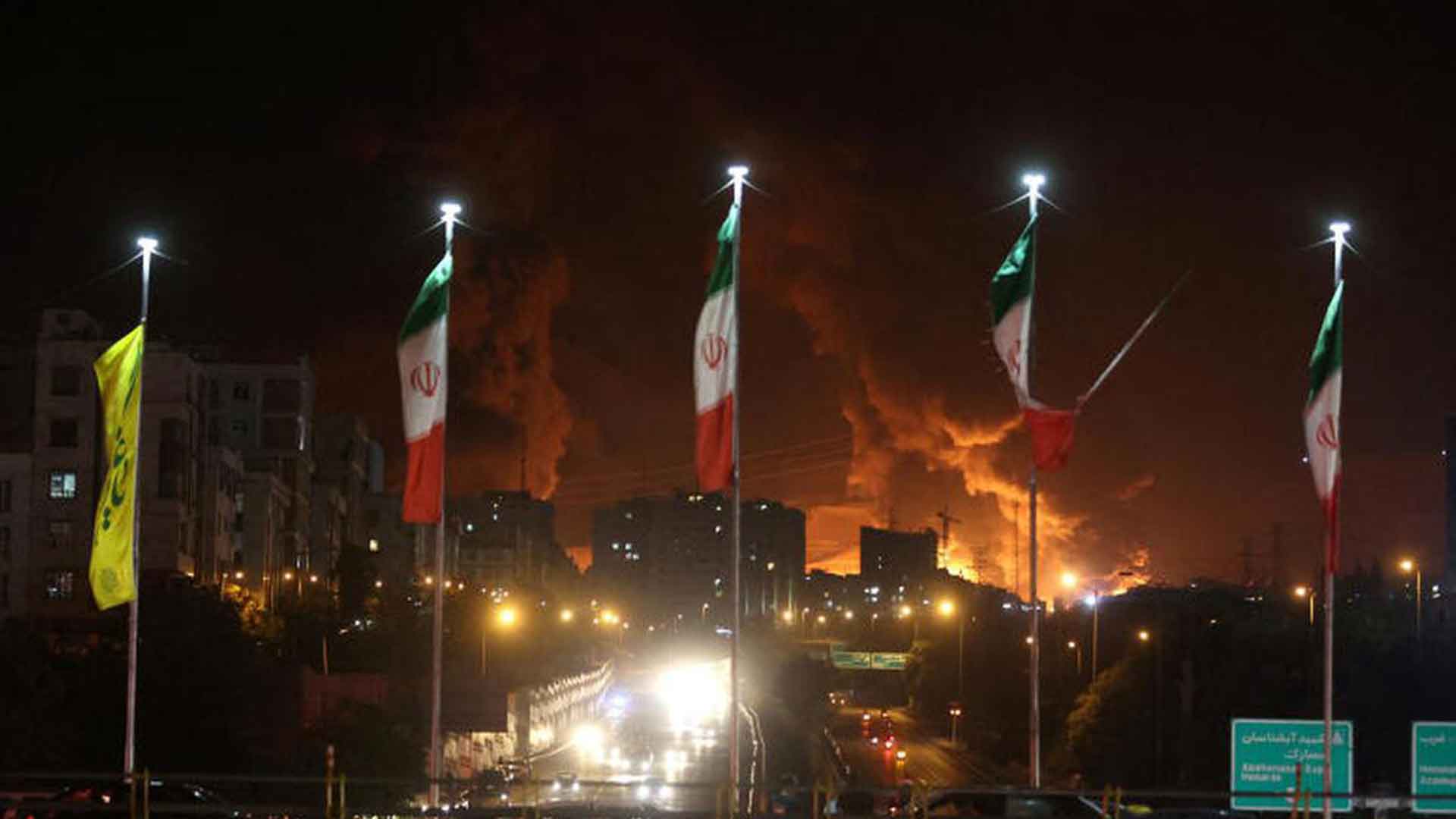
The June 14 airstrike caused major structural damage to what Iranian officials say was a “civilian energy facility.” But international nuclear watchdogs had long called attention to red flags about the site’s possible dual-use capability. Iran’s response was swift: The Supreme National Security Council denounced the “illegal aggression” and promised retaliation and a review of its nuclear defence protocols.
After the attack, Iranian officials denounced foreign enemies particularly Israel and the United States for engaging in “covert warfare,” and warned that any additional “aggressions will not go unanswered.” This rhetoric, along with Iran’s military exercises along the Strait of Hormuz in recent days, has raised concerns of escalation.
A Fractured Intelligence Alliance?
But what concerns analysts most about the incident is the potential for a schism in the intelligence-sharing alliance between the U.S. and Israel. Although the nations have long had a strong relationship on Middle East security cooperation, the rift has revived questions about how to handle compartmentalization and oversight and even operational secrecy.
“It’s not so much about the leak itself but about what it tells,” said Dr. Leila Rahmani, a geopolitical analyst at the European Institute for Security Studies. “There is an increasing conflict between operational efficiency and political accountability. This is a wake-up call to both countries.”
Who Benefits?
Rumours as to who could be behind the leak run the gamut from a whistle-blower within the PP to a foreign cyber-intelligence organization. Some accounts suggest the participation of Russian or Chinese entities seeking to sabotage strategic cooperation between the U.S. and Israel in the region. Others speculate it could be Iranian counterintelligence penetrating compromised digital lines.
Either way, the accuracy and timing of the leak indicate an extraordinary level of sophistication and have raised fears, among lawmakers and others, that the global cyber battlefield has now become firmly entwined with actual violence.
What Comes Next?
Following the strike and the leak, European backchannels are said to have been activated, with France and Germany pressing for de-escalation talks. The U.N. Security Council is to hold an emergency meeting next week on the situation.
Israel, meanwhile, has refused to confirm or deny its involvement in the strike, sticking with its policy of strategic ambiguity. Images now widely published on Iranian state media depict the damaged facility, still draped in the rubble of the massive explosion, and messages rallying the country to unity and resiliency.
With the world watching on, one thing is crystal clear: the era of hybrid warfare where digital intrusions launch real-world effects is no longer around the corner. It’s here.