
The Daily Struggles of Women on Bangladesh’s Public Buses
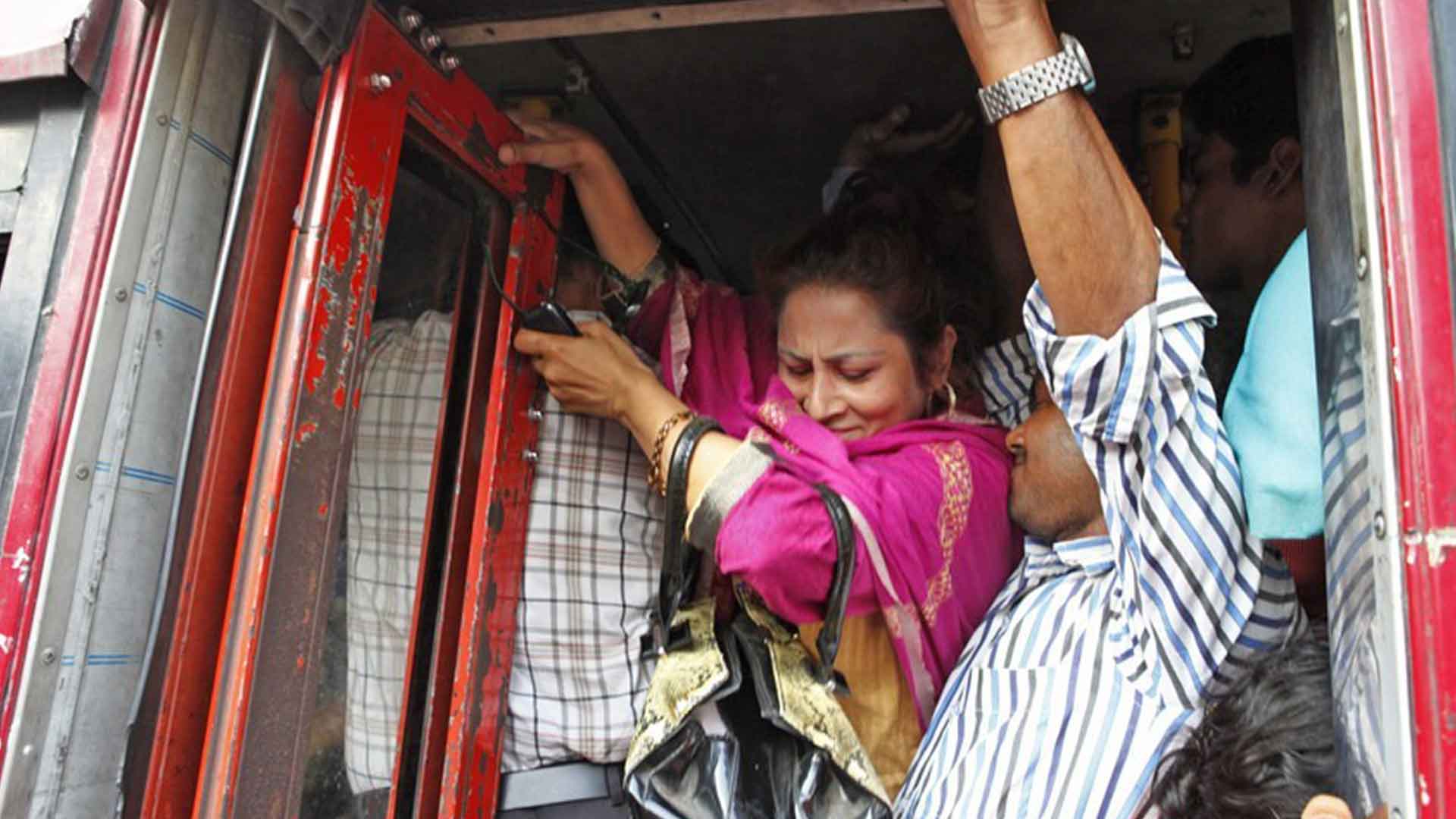
DHAKA, Bangladesh It is early morning, just after dawn, in the grey-blue light of Dhaka, and the city is restless. Buses roar to life, horns honking, as thousands of workers embark on the daily pilgrimage to offices, garment factories, hospitals, and schools. It includes countless women like me and you who are struggling to cope with not only the dense traffic and long hours, but also the special challenges of commuting in a public transport system that frequently has no regard for their safety, dignity or even basic rights.
A Daily Struggle for Room and Respect
For many working women in minor cities such as Dhaka, Chattogram or Khulna, the daily commute starts with a mental checklist: scarf tightly pinned, elbows in, phone zipped away, senses on high alert. When a bus at last pulls over often, while in motion a frenetic scramble ensues. In the melee of limbs and inevitability, many women can find themselves shoved, pushed, sometimes groped doing their best to keep from falling over in a desperate attempt to enter.
“I have to leave home by 6:30 even though the shift starts at 8,” says Jahanara Begum, a 32-year-old garment worker in Mirpur. “If I miss the first two buses, I either won’t have a seat or I’m a sardine,” she said.
While it is compulsory for men to leave the “women-only” seats at the front of most public buses to female passengers, they often remain seated, and men do not get up unless specifically asked to. When women speak out, they’re likely to be dismissed or ignored.
The Hidden Harassment
There is, however, a more sinister reality beyond mere physical discomfort, or harassment. From sexually suggestive remarks muttered under breath to invasive touches in the pinches of packed bodies, women say the bus is a place of vulnerability. “Even if someone gropes you,” says university student Aklima Akter, “No one supports you. And if you do take issue, the conductor, or your fellow passengers, might chuckle or tell you not to make trouble.”
For younger commuters and schoolgirls, though, the bus can be fear-inducing. Many carry their own pins, others have their bags or (dupattas) doubled up across their chests in defensive mode; while some opt to stand even if they are old or frail just to avoid being touched.
Strategies for Coping and Silent Resistance
Even with all these challenges, women are incredibly resilient. Others travel with a friend to stave off harassment. The latter crowd uses mobile apps to watch for buses and to wait for less-crowded buses — time permitting. And many have safety pins or pepper spray stowed away in their bags. Older women sometimes serve as protectors and interveners, speaking out when they see younger girls being harassed.
From time-to-time women push back and they do it loudly. Videos of women standing up to harassers or refusing to vacate their designated positions have gone viral. These acts of defiance lead to conversation but seldom to systemic change.
A Glaring Policy Gap
Women have reserved seats on public transport in Bangladesh, and in some cities, women-only buses. But enforcement is lax. Very few conductors and drivers undergo gender sensitivity training. Male and female zones no longer have meaning during rush hours.
“There’s a lack of political will and accountability,” says Shireen Haque, a gender rights activist. “We don’t need token seats, we need a transport system that respects and protects its women.”
Towards Safer Commutes
Some grassroots movements have developed. Organizations in Dhaka such as BRAC have conducted awareness campaigns on public buses. Apps like “Shohoz” and “Bohubrihi” currently permit users to report harassment anonymously. But the scale of the problem calls for something more.
Implementing just and equitable public transportation must be at the top of urban planners’ and policymakers’ agendas. This will be done by increasing bus numbers, particularly in rush hours, increasing the women-only service, training bus staff and running public awareness campaigns.
The Bigger Picture
The larger story of urban inequality is behind the wheel of each clogged commute. Women’s access to safe and affordable transportation has implications not only for their daily lives, but for their right to work, go to school, and live free from violence.
Yet as Bangladesh pushes ahead with new strategies for urbanization and smart cities, the echoing calls of women sardined in the cramped rear ends of buses can’t be lost. Their travels count not simply because they fly as passengers, but as fellow citizens on the rise in a proliferating land.
Call to Action:
If you’ve been harassed, or have witnessed someone else being harassed, on public transport in Bangladesh, be sure to speak up, help the victim and report it. It starts with understanding and the courage to accept the space every woman is entitled to.