
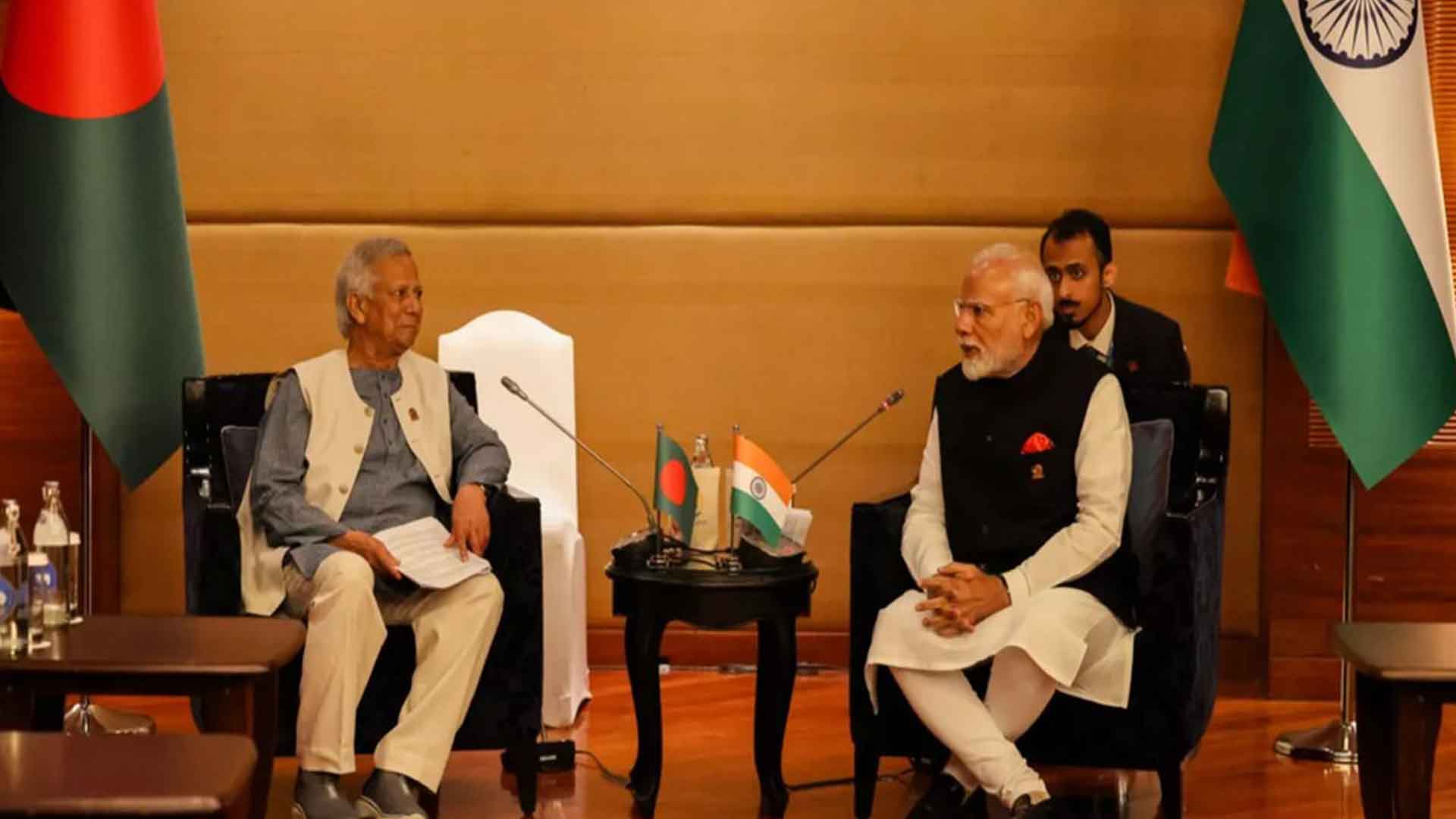
Dhaka-Delhi relations signal cooperation despite border worries
In a region marked by historical ties, shared culture, and at times, uneasy borders, the recent developments between Bangladesh and India present a nuanced picture of diplomatic resilience. While border killings and reported push-ins continue to raise serious concerns in Dhaka, signs of goodwill and cooperation suggest that both countries are striving to keep their relationship on a steady track.
Over the past weeks, a number of symbolic and practical gestures have helped to ease the diplomatic mood. A notable example is the visit of an Indian medical delegation to Dhaka, offering assistance to victims of the tragic Milestone plane crash that occurred on July 21, 2025. The medical team, composed of experienced doctors and nursing professionals, engaged in extensive consultations with Bangladeshi health officials and doctors at the National Institute of Burn and Plastic Surgery, assessing critical cases and discussing future treatment pathways.
This gesture followed Indian Prime Minister Narendra Modi’s assurance of full support to Bangladesh in the aftermath of the accident, and it was warmly received in Dhaka. Bangladesh’s Foreign Affairs Adviser, Md Touhid Hossain, praised the gesture, reiterating that the interim government remains committed to maintaining “a good working relationship with India based on reciprocity and mutual respect.”
In an equally symbolic yet culturally rich act of diplomacy, Chief Adviser Professor Muhammad Yunus revived the tradition of ‘mango diplomacy’ by sending handpicked seasonal mangoes to Indian President Droupadi Murmu and Prime Minister Modi. The gesture was extended to other regional leaders as well including those from Bhutan, Nepal, Pakistan, and the Maldives reinforcing South Asia’s intertwined cultural heritage. This annual tradition continues to stand as a metaphor for sweetness amid friction.
Visa and Engagements: A Mixed Bag
While the issuance of tourist visas remains halted for nearly a year, Indian officials clarified that substantial numbers of visas are still being granted for medical emergencies, student travel, and other humanitarian purposes. According to Randhir Jaiswal, spokesperson for India’s Ministry of External Affairs, this is part of a broader strategy to ensure bilateral engagements continue at various levels.
Jaiswal also emphasized India’s desire to maintain a “positive and constructive partnership” with Bangladesh, citing regular high-level engagements, including recent visits by the Indian Foreign Secretary and ongoing development cooperation.
Persistent Border Tensions
However, despite diplomatic niceties, border-related concerns continue to strain ties. On July 25, two Bangladeshi nationals were reportedly shot dead by Indian Border Security Force (BSF) personnel along the Bashpadua border in Feni’s Parshuram upazila, and another was injured. Such incidents are not isolated. Despite agreements between the Border Guard Bangladesh (BGB) and BSF most notably at the 55th border conference held earlier this year to reduce border killings and intensify joint patrols; Bangladesh says the reality on the ground remains grim.
Touhid Hossain was blunt in his response:
“No border guard has the right to shoot and kill someone who violates the law along the border. It is illegal. We’ve been protesting about this regularly and will continue to do so.”
Push-ins and Human Rights Concerns
In addition to fatal incidents, Dhaka remains deeply concerned about “push-ins” cases in which India is accused of forcibly sending ethnic Bengali Muslims across the border into Bangladesh. On July 23, Human Rights Watch (HRW) reported that hundreds of people have been expelled by Indian authorities in recent weeks without due process. Many of those expelled reportedly claim Indian citizenship and originate from Indian states bordering Bangladesh.
Bangladesh’s Foreign Ministry, in a letter dated May 8, expressed clear opposition, describing these push-ins as “unacceptable” and urging New Delhi to respect the official channels for repatriation. Dhaka insists that only confirmed Bangladeshi citizens, verified through a prescribed bilateral process, can be accepted back into the country.
“We insist they maintain this procedure. That is our expectation,” said Adviser Hossain.
Accepting the New Reality
Since the political shifts on August 5 last year, both Bangladesh and India have had to recalibrate their bilateral approach. A senior Bangladeshi official acknowledged that “a kind of imbalance” had emerged during the previous administration, but the current efforts are directed toward restoring that balance.
With national elections in Bangladesh expected by early 2026, geopolitical watchers note that India like many of Bangladesh’s foreign partners is keeping a close eye on unfolding developments. New Delhi has expressed its hope that the upcoming elections will be inclusive and democratic.
As Randhir Jaiswal aptly noted,
“Neighbours can’t be changed, but partnerships can be shaped.”
The path ahead may be fraught with complexity, but moments of empathy whether in the form of a medical mission or a basket of mangoes show that diplomacy still has a heartbeat in South Asia.
Cinebuzz Times will continue to follow the evolving Dhaka-Delhi relationship as the subcontinent’s political and human stories unfold at the intersection of diplomacy, development, and culture.