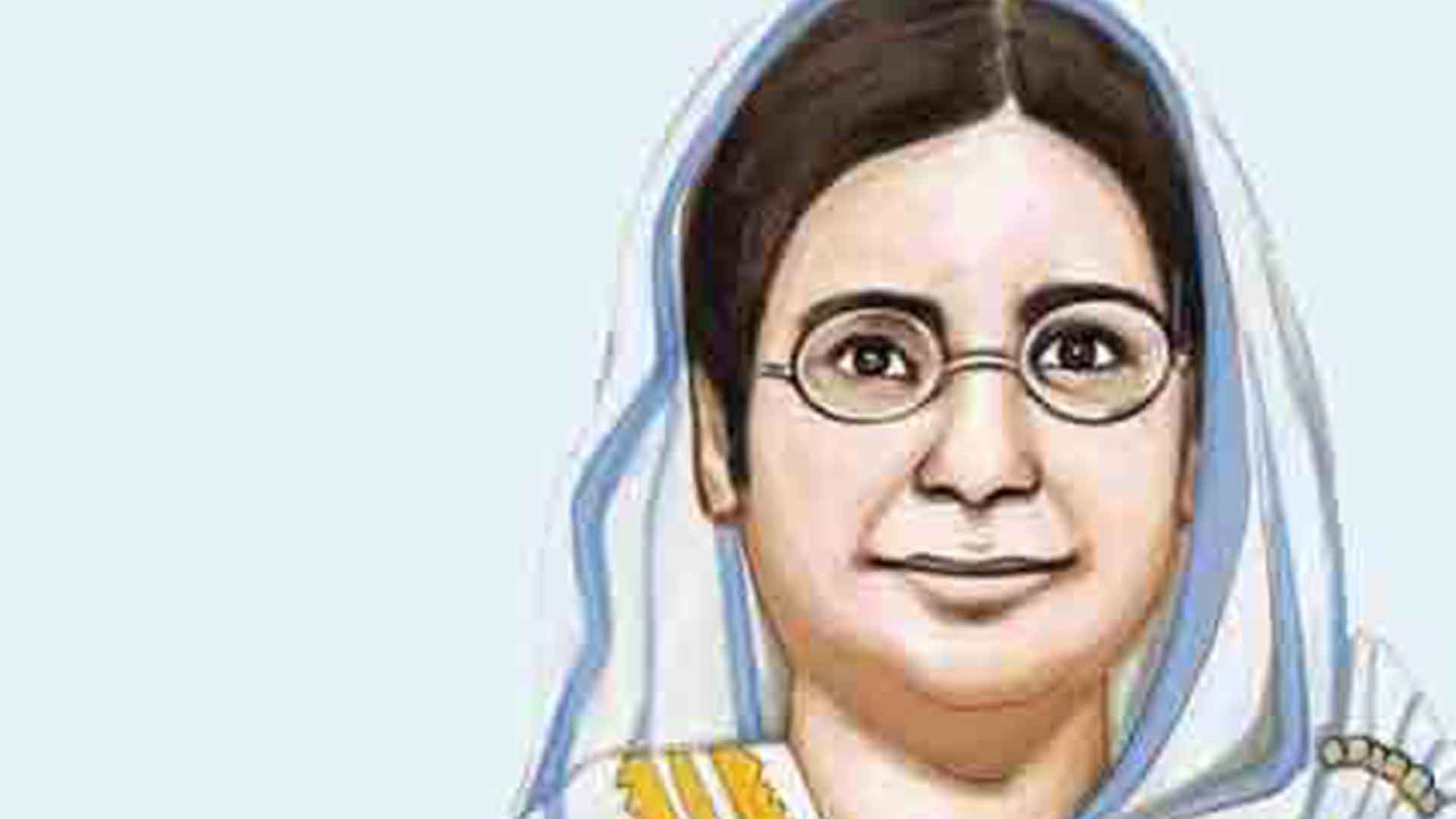
Background history Dinajpur has a two millennia long and rich past. Once it belonged to the major kingdom of Pundravardhana, an ancient state in ancient Bengal. The following describes its historical background: Pre-12th Century Ancient Period: Dinajpur belonged to the Pundravardhana Kingdom, which was itself a component of the Mauryan Empire in the fourth century BCE. Jainism was quite common in the area at the period. • Gupta and Pala Dynasties: From around 750 CE, the area was under the authority of the Gupta Empire then later the Pala Dynasty. Dinajpur also participated in the Kaivartta uprising and invasions by hill composite countries during the Pala dynasty. • Senas Dynasty: In 1143 the Palas was ousted by the Senas. • Kotivarsha/Devkot: During the Mauryan and Gupta periods Bangarh, close to Gangarampur (now Dakshin Dinajpur, India), was a thriving significant centre known as Kotivarsha or Devkot. Archaeological discoveries point to the dissemination of both Buddhism and Jainism. Middle Ages (12th to 18th Century): • Muslim Rule: Bangarh became the capital of Muhammad bin Bakhtiyar Khalji after he routed the Senas in 1204. Following his death, several Delhi Sultan appointees from Gauda ruled over the region. • Mughal Era: Dinajpur was under control by Tajpur and Panjara when the Mughal Emperor Akbar invaded Bengal in 1586. During the Mughal era, Ghoraghat was a major municipal hub. • Dinajpur Raj: Legend credits a Dinaj or Dinaraj of the Dinajpur royal line with naming Dinajpur. Though its beginnings are unknown, some claim Raja Ganesh in the early 15th century and others King Sri Matta Dutta. The Dinajpur Rajbari (palace) was a symbol for the larger Dinajpur district from 1806 until 1951. British Colonial Period (18th–20th Century): • East India Company control: Eight years following the Battle of Plassey in 1765, the English troops invaded this territory, therefore ending Nawabi control and declining Ghoraghat as a capital. One of the first district cities, Dinajpur developed at the start of East India Company control over Bangladesh.Official establishment of British administrative administration in Dinajpur in 1786 resulted in a district office in 1793. • Administrative Changes: Dinajpur once comprised the largest undivided Bengal administrative district. For administrative sake, certain areas of Dinajpur were moved to other districts like Purnia, Rangpur, Rajshahi, Bogura, and Malda between 1833 and 1870. • Indigo Plantation: Last decade of the 18th century witnessed the beginning of an indigo plantation in the area. • Sanyasi and Fakir Rebellion: Raids of pillage by Sanyasis and Fakir devastated the area second part of the 18th century. • Municipality: One of the first forty municipalities in Bengal, the Dinajpur Municipality came into being in 1856 Dinajpur residents vehemently opposed the Bengal Partition in 1905 and took part in the liberation fight. Post-Partition and Modern Era (1947–Present): • Partition of India (1947): The larger Dinajpur district split with the division of India the western section formed West Dinajpur district in West Bengal, India; the remainder joined East Pakistan (now Bangladesh). • Bangladesh Liberation War (1971): Dinajpur people made major contributions to the War of Independence. • Further Divisions: Thakurgaon and Panchagarh Sub-divisions of Dinajpur district in Bangladesh became separate districts in 1984. In 1992 the West Dinajpur district in India was split even more into Uttar Dinajpur and Dakshin Dinajpur. Dinajpur now is wellknown for its agricultural output, especially litchis and fragrant rice, and features numerous notable universities. Renowned People of Dinajpur From politics to literature to arts to social change, Dinajpur, a northern Bangladesh (and West Bengal, India) area has produced numerous eminent people who have made major contributions in many different sectors. Some well-known individuals connected with Dinajpur are listed here: Bangladesh (in the Dinajpur District) From Payraband, Rangpur (then part of Dinajpur district), pioneering female writer, educator, and social reformer Begum Rokeya Sakhawat Hossain (1880–1932). She founded the first school for Muslim girls in Kolkata and is most well-known for her promotion of women’s rights and education. Prominent politician and minister Mashiur Rahman Jadu Mia (1918–1979) was well-known for his participation in the independence fight for Bangladesh. Renowned journalist, author, and liberation fighter Abdul Quddus Chowdhury (1921–1984) made major contributions to Bengali literature and media. Renowned Islamic scholar and writer Shamsul Haque Faridpudi (1896–1969) was instrumental in Bangladesh’s Islamic education campaign. Celebrated Bangladeshi poet and writer Nirmalendu Goon (b. 1945) was noted for his audacious and revolutionary writings. Dr. Muhammad Shahidullah (1885– 1969) – Though mostly connected with North Bengal, this outstanding linguist and researcher made great contributions to Bengali language and literature. India (Dinajpur District – West Bengal) Notable Indian independence activist and politician from West Bengal Swarup Roy (1913–1984) Renowned Bengali writer and journalist Gour Kishore Ghosh (1923–2000) was instrumental in advancing literature. … Read more