
Analysing the May 23 Recruitment Exam Conundrum
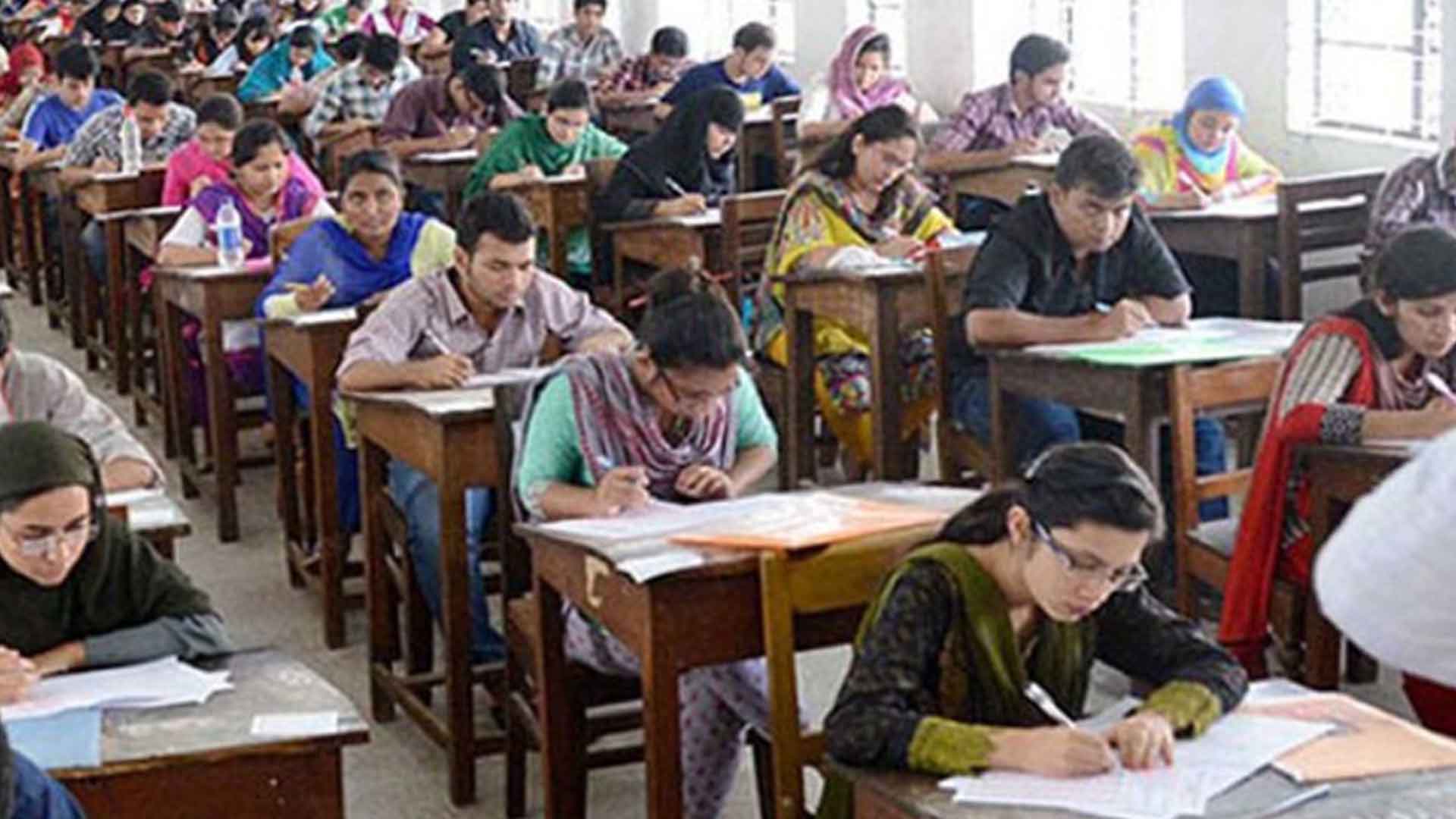
Friday, May 23, Bangladesh saw an unheard-of event: 23 distinct government and commercial job recruitment tests were conducted concurrently all throughout the nation. Widespread irritation and discontent erupted on social media and student forums as job seekers hurried from one exam canter to another or were compelled to completely rule out several prospects. One naturally wonders why the planners chose such overlapping timing. Was it a logistical error, a determined choice, or an oversight with unanticipated results?
The point of view of the organisers: Motive Behind the Simultaneity
Administrative-wise, there are a few reasonable reasons for focussing recruiting tests on one day:
1. Minimising Administrative Work
Setting up recruiting exams calls for major logistical cooperation from venue procurement to security agent deployment. Especially in busy exam seasons, holding several tests on the same day might help to lessen ongoing load on the infrastructure and workers engaged.
2. Time Restriction and Financial Deadlines
Many public universities run under tight fiscal-year plans. There is typically pressured to finish hiring procedures as the fiscal year-end, June, draws near. Combining tests might be an attempt to speed hiring within administrative targets.
3. Ste clear of paper leaks and delays.
Bangladesh has seen many instances of question paper leaks in the past, usually ascribed to significant intervals between tests. Minimising such dangers might be the focus of a concerted scheduling effort, particularly because internet communication facilitates the flow of queries.
4. Policymakers’ and recruitment authorities’ pressure
Many ministries and agencies have a backlog of open positions; hence government entities might have been under pressure to fill openings fast. The multi-agency schedule would show a top-down drive for quick execution.
5. Effort towards Simplifying
Though it might not appear like it from the outside, this could be part of an effort to simplify recruiting into a “one-day testing model,” same as how national university or civil service examinations are carried out elsewhere. Still, this strategy seems to have omitted required foundation.
The Reality on Ground: An Emotional and Logistically Disaster
Notwithstanding these explanations, applicants experienced different ground realities. Thousands of job seekers many of whom had years of preparation for such possibilities were forced to make tough decisions. Let alone mentally prepare for another demanding examination, a candidate seated for an exam in the morning at one end of the city had no time to reach another canter in the afternoon. Some students tried to show up for many assessments but missed one because of last-minute venue uncertainty or delayed transportation.
The whole outcome is Fewer opportunities taken advantage of, scattered attention, and general mental tension.
Candidates from Dhaka, Chattogram, Rajshahi, Sylhet queued up in impatience, many of them challenging the rationale for the timing. Youth forums calling for responsibility and a more inclusive hiring policy planned small-scale demonstrations and news briefings in many locations.
Was the Plan Effective?
From the organisers’ point of view, if the tests were conducted without disturbance, paper leaks, or logistical breakdowns, the execution might be judged successful; from a candidate-centric perspective, success means access to fair and equal opportunity – and by this measure, the scheduling was a clear failure.
Initial data indicate that, particularly in cases where the applicant pools overlapped such in bank employment and BCS-type competitive tests, attendance rates in some tests plummeted by 20–30% compared to preceding years. Reduced competitiveness, inferior quality of selection, and even empty positions might follow from this.
Do They Approval the Result?
A central government’s cohesive response to the problem has not been forthcoming, which points to a lack of coordinated supervision. Internal sources from a few recruitment boards, however, said that the attendance and comments had spurred thought about future. Speaking anonymously, a top official from the Bangladesh Bank said: “We reached the target for the exam, but obviously the candidates’ experience was not ideal. We must have a better model.
The Road Ahead: Organisation or Anarchy?
One thing is quite evident from this incident: Bangladesh must have a centralised timetable for recruiting tests. Working together, stakeholders including the Public Service Commission, Bangladesh Bank, private sector companies, and academic institutions should establish a national recruiting coordination board. Smart scheduling, early notification, and openness might reduce candidate strain and maximise national talent use.
Furthermore, given the extent of young unemployment and the emotional cost job searchers pay, justice cannot be given up on the altar of bureaucratic efficiency.
Conclusion:
In conclusion, while certain administrative boxes may have been ticked thanks to the May 23 schedule, it has also revealed serious coordination and empathy breakdowns in the recruiting system. Should the final objective be to choose the greatest applicants, the procedure must be first accessible, fair, and compassionate. Otherwise, efficiency turns into simply another label for exclusion.