
A Nation Fighting for Breath and Future
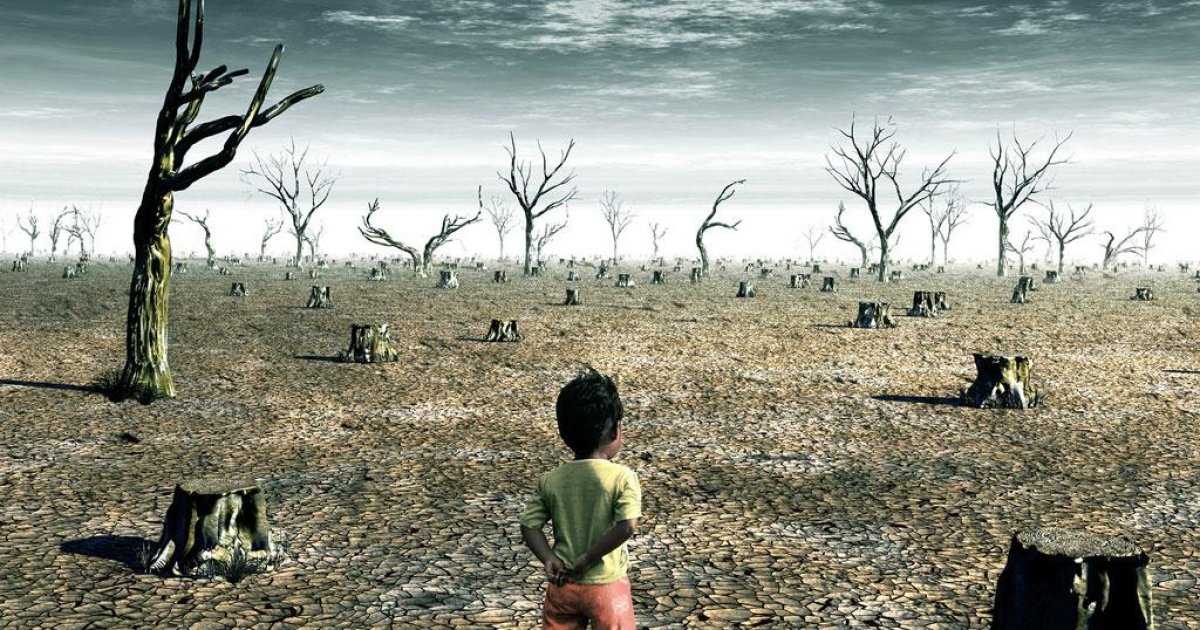
In the global climate narrative, Bangladesh is often referred to as a “vulnerable nation.” To those who reside in this place, however, the term is not a philosophical abstraction; it is a vicious, everyday reality. This is a country on the “battlefield,” assaulted by a deadly attacker it did not provoke—an unyielding war for its very essence. Water has always been the architectural element of Bangladesh. The world’s largest rivers converge in Bangladesh, which is located on the edge of the enormous Bay of Bengal. These are empires that consistently reshape the earth. The rivers gradually increasing salinity are the most benign of the invasions. In the Southwest, saltwater rushes into the mainland like an overpowering tide, threatening to erode whole towns overnight. Satkhira and Khulna’s former fertile paddy fields are now fighting to sustain vegetation. Families who have grown this ground for generations are forcibly displaced as a result; women walk miles to acquire fresh drinking water; children grow up eating salt in their greying hair as they drink sparse food and play in the weathered ground. It’s not an argument or an intellectual debate; the rivers are salty, and you can’t grow anything there. Every storminess and cyclone viciousness fills the coast with litter and destroys dreams. An infection spreads in the wound after every Aila, Sidr, and Amphan—diseases that kill—and children succumb to it. And afterward, the rest of the world appears to be a distant dream.
The Urban Fight: Dhaka and the Battle for Air
The foe Urban Bangladesh faces smashes its future in a different manner than the others: haze. Dhaka, one of the most polluted cities on Earth, murders its 20 million residents every second. Brick kilns are burning, vehicles are downloading, construction is underway, factories are dumping, and cities are developing. When combined, these five produce a lethal thick veil. Only when schools are locked due to hazardous air standards may children examine inhalation risks before being able to dream of their aspirations.
Climate catastrophe and air pollution weave together, transforming the national capital into an air struggle zone. When the rivers that contributed to Bangladeshi civilisation’s lifeblood begin to perish, the disappearance of the rivers The rivers that kept Bangladesh’s civilisation going are also on their way to death. If some rivers evaporate entirely while others suddenly flood, the remaining rivers become unpredictable. The patterns of rainfall, the melting of glaciers, and neglect have turned riverbanks into decay pits for local boats and anglers. Who needs to sail into a mood when the shoreline remains desolate and barren?
The fact on the soil side is grim: if the present offshore rise persists, the country’s quarter-century may anticipate one-fifth of its soil to be flooded by 2050. Many millions would be set to escape. Rather than as a harbinger of events, the globe’s most severe wave of temperature migrants might emerge here as a cause that has happen. But this is not the narrative of failure; it is one of heroism. Although the board seems adequate, Bangladesh represents a powerful example of possible endurance required by the world.
B. Extending the claim with a refined article: Please do not see us as mere victims. Communities have achieved sophisticated cyclone-preparedness programming. Farmers are developing salt- and flood-resistant crops. Women are mobilising climate adaptation leadership, and youth activism is growing annually, with solar home systems driving the conversion of weakened households to resilient units. B.4 When the planet looks at Bangladesh, do not highlight solely our weakness, but also our resourcefulness and boldness and our deep dedication to survival. B.5 Where Cinema Meets Climate Bangladesh is a crucial location where power and urgency intersect, making it essential for documentarians, storytellers, and those who risk their lives, as well as for individuals willing to confront these challenges. Climate stories are not dreams of a future in Bangladesh; they are ongoing and must be accepted. Cinema involves brutal truths in our towns, municipalities, rivers, and atmosphere that are impossible to ignore. We did not unleash the disaster of the climate. However, we are currently bearing the most severe consequences. As contamination rises and heat increases, the sector must view Bangladesh not as a deficient taker, but as the first line of defence of all mankind’s joint destiny. The issue is not whether Bangladesh will be able to adapt to climate change. The issue that needs to be addressed is whether the planet can continue to exist without our bribing announcements. may I be permitted to make tactical and stylistic modifications to one of the subsections of this enhanced article, or may I be asked to create an exciting body or alternative article caption and subheadings?