
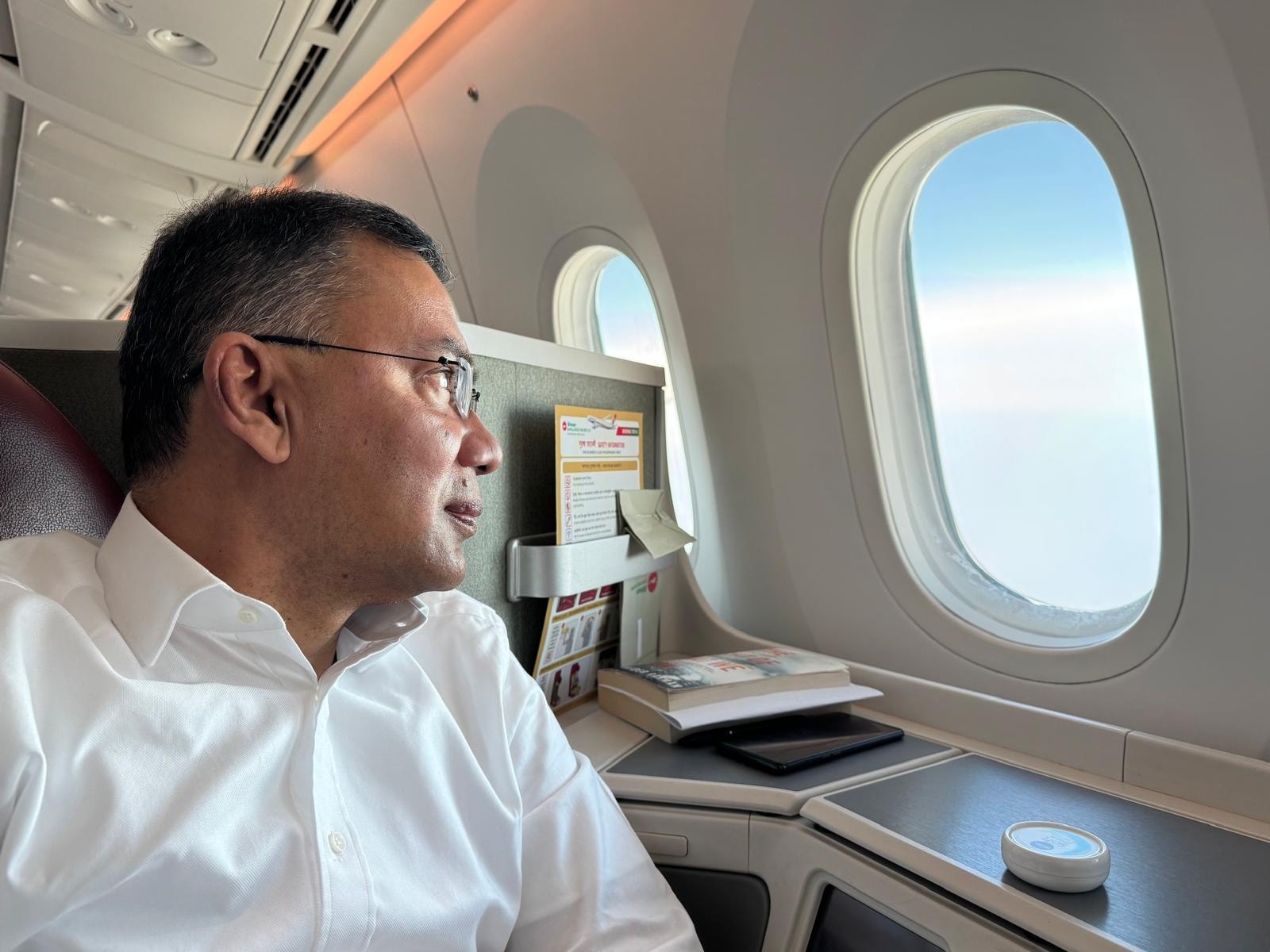
Tarique Rahman’s Message to the Nation
After seventeen long years in exile, Tarique Rahman, the Acting Chairperson of the Bangladesh Nationalist Party (BNP), returned to Dhaka and addressed a massive public gathering at the July 36 Expressway, an event his supporters have already begun calling historic. More than a political homecoming, the speech was framed as a moment of reflection, resolve, and renewed national purpose.
Speaking before a sea of supporters, Tarique Rahman struck a notably restrained yet hopeful tone. His central message was clear: peace must come first. “We want peace. We want to build a safe Bangladesh for all,” he said, repeatedly urging calm, patience, and discipline in the face of any provocation. At a time of deep political polarisation, his insistence on order and restraint stood out as a defining theme of the address.
Drawing inspiration from Martin Luther King Jr.’s famous “I Have a Dream” speech, Rahman presented what he called not just a dream, but a “plan” for Bangladesh. That plan, he emphasised, can only be realised through collective effort across political lines, social classes, and religious communities. His vision was unmistakably pluralistic: a Bangladesh where Muslims, Hindus, Buddhists, Christians, and people from both hills and plains live side by side in safety and dignity.
Throughout the speech, Tarique Rahman placed his message within the long arc of Bangladesh’s political history. He recalled the sacrifices of the 1971 Liberation War, the Sepoy-People’s Revolution of November 7, 1975, the 1990 anti-autocracy movement, and the mass uprising of August 5, 2024. According to him, these moments were all chapters in a continuous struggle to protect the country’s independence, sovereignty, and democratic rights.
“The people of Bangladesh now want to regain their democratic rights and their right to speak,” he said, adding that citizens deserve fair opportunities based on merit and qualification. He argued that the time has come for unity, not as a slogan, but as a practical necessity for nation-building.
A sizeable portion of the speech focused on Bangladesh’s demographics and untapped potential. Rahman spoke of women who make up half the population alongside four crore youths, five crore children, people with disabilities, farmers, and labourers. If united, he argued, their collective aspirations could reshape the nation. In this context, he described the young generation as the primary drivers of future leadership and responsibility.
The address also carried a deeply personal note. Referring to the illness of BNP Chairperson Khaleda Zia, Rahman spoke as a son torn between family and duty. “My heart lies beside my mother’s bed in that hospital room,” he said, while explaining why he felt compelled to address the people before visiting her. He concluded this moment by asking the nation for prayers for her recovery.
Tarique Rahman ended his speech as he began it with an appeal for unity, peace, and collective resolve. His closing message was simple yet ambitious: to honour the sacrifices of the past by building a Bangladesh where every citizen, regardless of age, gender, class, or faith, can leave home safely and return home safely. For his supporters, the speech marked not just a return, but the opening of a new political chapter.