
Let’s acknowledge the truth
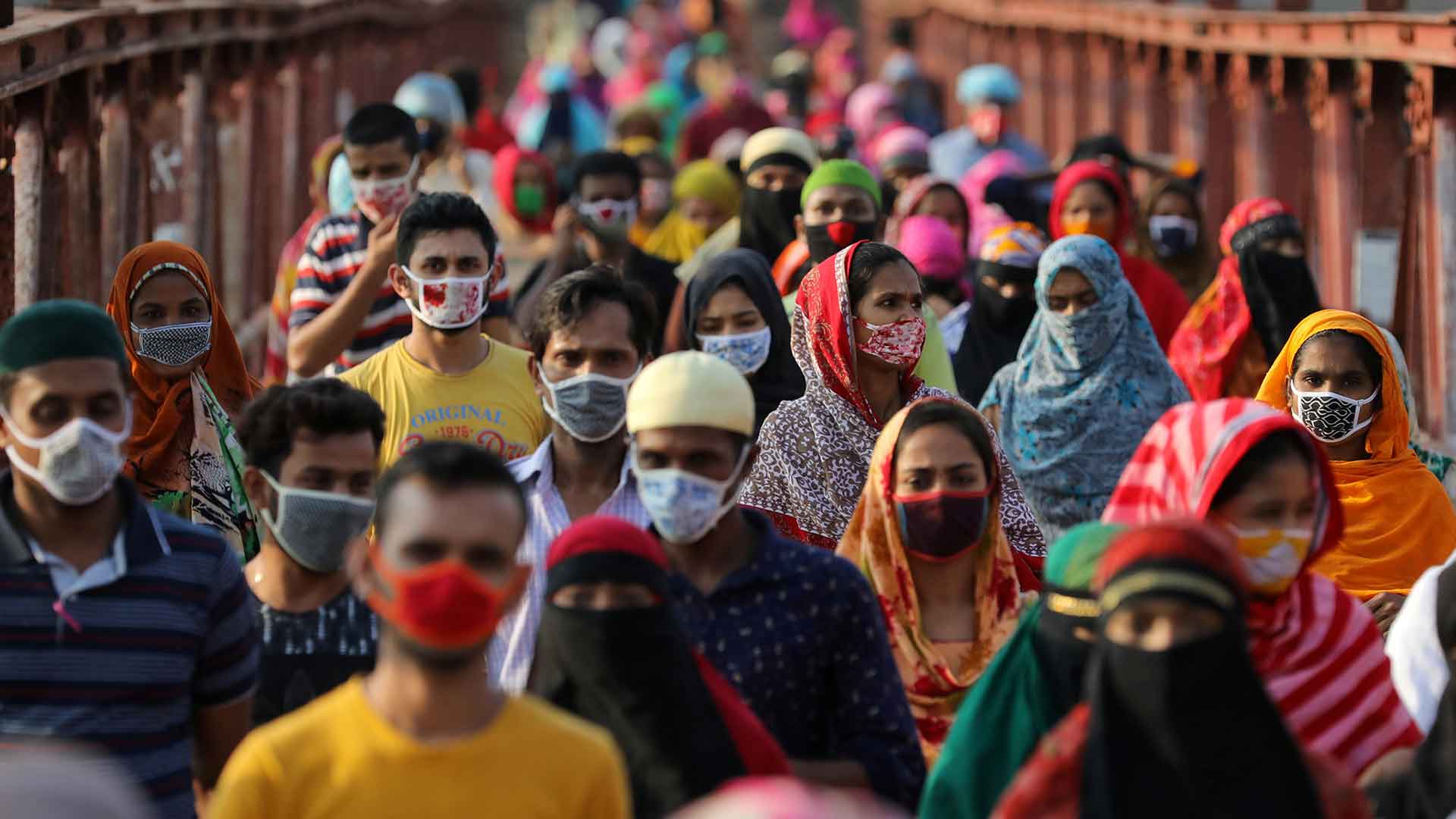
When the world was hit by the COVID-19 pandemic in early 2020, no one could have imagined the long-lasting impact it would have. Beyond the health sector, the pandemic has left a deep scar on the global economy. Bangladesh was no exception. In the aftermath of COVID, we have been forced to confront a new reality one shaped by inflation, employment crises, imbalanced income and expenses, and uncertainties in global markets, all of which are reshaping our economic landscape.
Employment & Income: A Harsh Reality
During the pandemic, countless people lost their jobs, and many small entrepreneurs were compelled to shut down their businesses. Although economic activity has resumed, the job and income opportunities have yet to return to pre-pandemic levels. The middle and lower-middle classes have been the hardest hit. From rickshaw pullers on the streets to private sector employees in the cities everyone is now asking the same question: “How do we survive?”
Inflation and Market Conditions
On one hand, global commodity prices are rising; on the other, the Bangladeshi Taka has depreciated against the US Dollar. Together, these have driven up the prices of essential goods in Bangladesh to staggering heights. From rice, lentils, and cooking oil to baby food and medicine everything has become significantly more expensive. Ordinary people are now living through what feels like a daily economic battle.
Crisis for Small and Medium Enterprises (SMEs)
The SME sector was once the backbone of the national economy, but it was among the worst hit during the pandemic. Although stimulus packages were announced, they were not easily accessible to everyone. Due to complex banking procedures and stringent collateral requirements, many failed to receive support. As a result, some drowned in debt, while others shut down their businesses and sought other means of survival.
Remittance and Foreign Currency Reserves
Post-COVID, remittances from overseas workers emerged as a bright spot. However, in recent times, this flow has slowed. Alongside this, foreign exchange reserves have declined, placing added pressure on our import-dependent economy.
Government Initiatives vs. Ground Reality
During the pandemic, the government announced several stimulus packages aimed at reviving agriculture, industry, and the SME sector. While these efforts were commendable, in reality, many of the benefits failed to reach marginalized communities in both rural and urban areas. Loopholes in policies, lack of oversight, and allegations of corruption have undermined the effectiveness of many initiatives.
The Road Ahead: What Needs to Be Done?
COVID-19 taught us an important lesson our economy must be diversified and resilient. Instead of relying solely on imports or remittances, we need to strengthen domestic production capacity, invest in skilled human resources, and shift toward a digital and green economy. Additionally, it is vital to reinforce our social safety nets so that people can recover more swiftly from future global crises.
Conclusion
The pandemic has shaken our economy and exposed its vulnerabilities. But it has also opened a window of opportunity to rethink and rebuild. The road ahead may be difficult, but with planned action and fair policies, we can move forward.
The post-COVID economy is a name for a challenge, but it also holds the key to new possibilities. Now is the time to make bold decisions.