
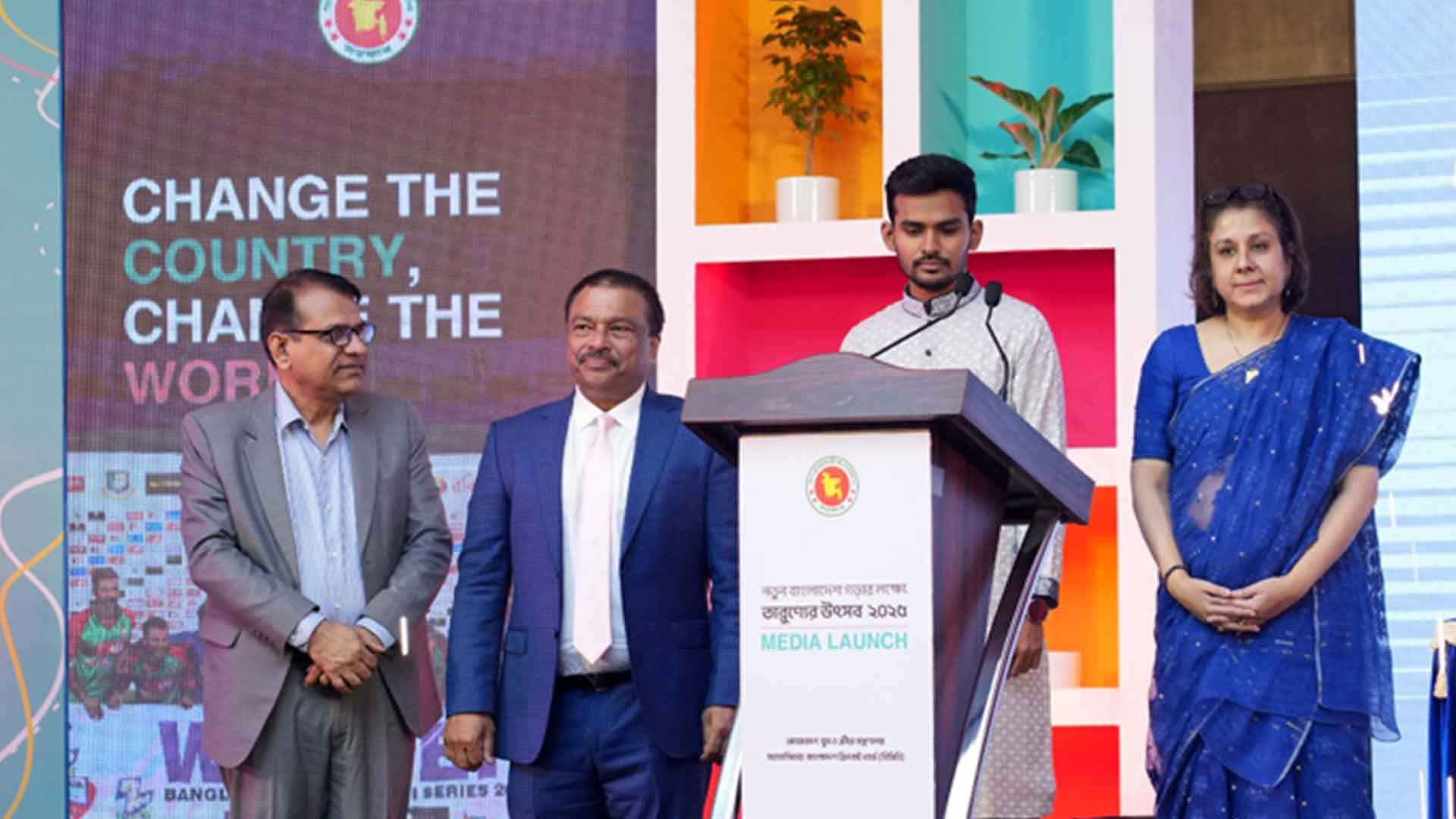
We hope for our young people in every country. They’re the dreamers, the implementers and the changemakers that will shape tomorrow. We like to say, “Today’s youth are the future of the country.” But are they ready for that responsibility? How cognizant are they not just of their power but of their rights, and most importantly, of the rights of other people?
Are Today’s Youth Truly Aware?
And, in an age of social media, in which the world is ever-more connected, and the deluge of information is unceasing, today’s young people are arguably more exposed than ever. But exposure is different from awareness.
Though many of today’s urban youth may join in the conversation fluently when the most popular topics of the day are raised particularly when the conversation is about issues including climate change, mental health, and gender rights there is still a barrier between trending topics and meaningful civic knowledge.
The students are not even able to say what their constitutional rights are. This many people never even learned the xenophobia, the intolerance, of how to file a complaint, question authority with respect, or stand up for someone who is being discriminated against.
This gap is even greater in rural and marginalized communities. Here, there is a largely dated education system and societal expectations that discourage critical thinking. In these areas, conversations about rights are taboo, particularly for young women or those from minority backgrounds.
Why Do Rights Awareness Matter?
Understanding your rights is more than a form of self-defence it’s a form of empowerment. A youth who is aware is a youth least likely to be exploited, a youth more likely to stand up against injustice, and a youth more capable of helping others do the same.
Young people with an awareness of rights also seem to become more empathetic, inclusive, and socially responsible. They start to understand why it is important to secure the rights of others for if one is not, then none are. Protecting another’s dignity does not leave us with any less dignity it makes our society better.
If They Don’t Know, How Will They Know?
It is not only up to the youth to create awareness. Parents, educators, community leaders, media companies and governments all have responsibilities. Here’s how we can narrow that gap:
Education Reform: Schools need to do more than just teach by rote. There should be meaningful integration of civic education in curriculums and meaning should convey the rights and responsibilities to the students, and how government operates.
Creative Campaigns: Movies, music as well as social media content in their language can spread awareness in an interesting manner. TikTok videos about constitutional rights? Why not.
Youth-Led Initiatives: Let the kids speak. Foster debate clubs, consciousness-raising campaigns and peer-led workshops that turn learning about rights into a collective experience.
Community Role Models: Spotlight a new generation of changemakers doing right by the community. They can give us inspiration and help bring the abstract notion of rights to life and make it real and accessible.
Final Thoughts
The youth of our nation are the architects of our future, but the shape of that future hinges on the knowledge and values they cultivate today.
In Lesson 6: Re: Family Feeding the Soul, we must recognise that consciousness cannot simply be inherited; it must be actively developed.
We, as a society, must ask ourselves: Are we preparing our young people not only to understand their rights but also to advocate for the rights of others? If we neglect this responsibility, what future are we creating for ourselves?
The answers we arrive at will define the character of the next generation and the direction of our nation. We must teach them to dream boldly while also seeking truth passionately. Let’s inspire them not only to speak out but also to take a stand for justice.
By fostering a culture of awareness and compassion, we can ensure that the future is not just youthful but also fair, inclusive, and full of promise.