
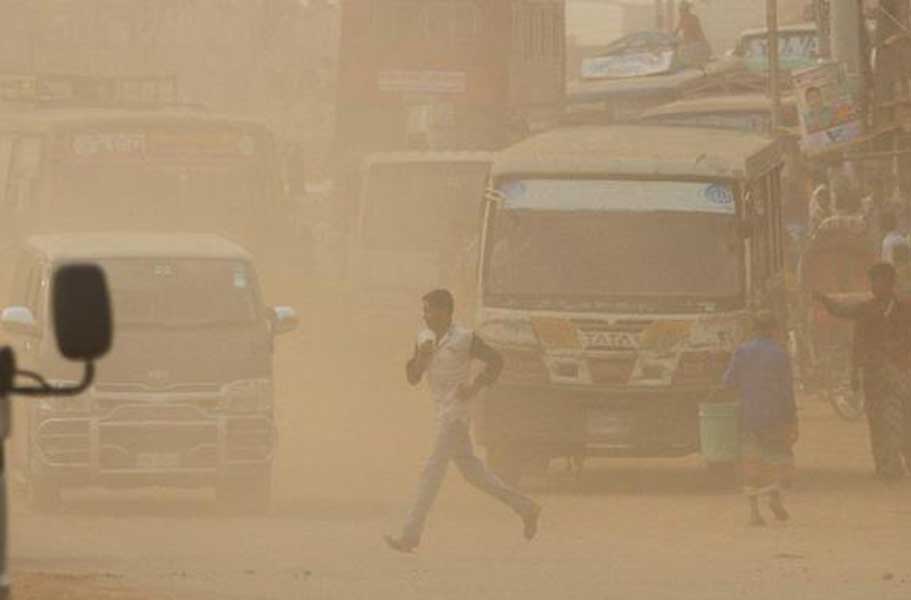
A silent crisis threatening our future
Bangladesh is the country of rivers, fertile soil, and hardy people. But underneath that beauty lurks a problem mushrooming into a crisis —polluting forms that quietly chew away at public health, culture, and the environment. From foul air in cities to toxic rivers and land denuded of wild animals, pollution is one of the most serious problems facing the country.
Air: Breathing is Unsafe
Most importantly, air pollution has become a daily experience for millions, especially in urban centres such as Dhaka. Toxic smog often comes from brick kilns, unregulated construction, vehicle exhaust, and industrial smoke. Throughout the dry winter months, Dhaka usually ranks among the world’s most polluted cities.
The health effects are no joke — respiratory disorders, heart problems, and the expected shortened life spans. The most vulnerable, such as children and the elderly, are at the most significant risk, while outdoor workers have been outside for hours each day, breathing in dangerous air. We live in an upside-down world, where the air we breathe has increasingly become a privilege.
Water Pollution: When Rivers Became Drains
The rivers are integral to Bangladesh’s identity, but many have turned into open sewers. The river has been severely polluted by untreated industrial waste and sewage, as well as plastic rubbish, which is choking waterways across Bangladesh.
Tanneries, dyeing facilities, and chemical factories discharge toxic effluent into waterways with scant oversight. This pollution also affects drinking water, fisheries, and agriculture. Rural communities further downstream bear the brunt, experiencing skin diseases, waterborne diseases, and loss of livelihood.
Plastic Pollution: A Country Drowning in Waste
Plastic pollution is among the most visible — and in many ways, alarming — examples of environmental degradation. In cities and on coasts, single-use plastics are clogging drains, rivers, and farmland. During monsoon seasons, when blocked drainage systems exacerbate flooding, plastic waste becomes a direct problem in urban disasters.
ENFORCEMENT Bangladesh was among the first countries to ban plastic bags, but enforcement is lax. Options are available, but plastic still floods ecosystems and wildlife unless broad common behaviour changes and the onus is placed on industry.
Industrial growth vs. environmental costs
Bangladesh’s fast-growing industrial sector has pulled millions out of poverty, especially in garments, shipbreaking, and manufacturing. But environmental regulations have not kept pace with this rapid industrial expansion. Industrial areas usually lack proper effluent treatment plants, resulting in the dumping of heavy metals and chemicals into the soil and water.
Coastal shipbreaking yards are not only hazardous work sites due to asbestos and other toxins, but the practice also has a direct effect on local marine ecology. The issue is no longer whether development is needed — that’s been settled. It is about whether growth can proceed without precisely undermining the basis upon which it depends.
Extreme: The Intersection of Climate and Pollution Creating a Deadly Environment
Pollution increases Bangladesh’s risk from climate change. Rivers polluted. Dozens of rivers had been poisoned by effluent released from industrial plants into previously clean waterways. “It reduces the natural draining, and that makes the flooding worse.” Floods that enraged victims: pollutants in their floors. The floods also left behind toxic metals such as iron ore waste, with which they can rot, according to Mudroch’s work, which she’s done at ground zero of a big mine or somewhere on it. Air pollution contributes to global warming, and plastic waste degrades coastal ecosystems that help guard against cyclones and storm surges.
As one of the nations most threatened by climate change, Bangladesh doesn’t have the luxury of ignoring pollution. Environmental degradation amplifies the effects of climate change, creating a vicious loop that hits the poor hardest.
Where Do We Go from Here?
There are solutions, but it will take the collective will to undertake them. More vigorous enforcement of environmental laws, investment in clean technology and accountability for polluting industries are needed. Public transit and parks have to be a city planner’s focus. Our waste management systems are hopelessly outdated and should be reimagined to prioritise recycling and waste minimisation.
Equally important is public awareness. Pollution is more than a policy question – it’s a cultural one. Small decisions can make a difference: using less plastic, purchasing with the environment in mind and holding both government and business accountable.
Storytelling and the Film Agnus Role
As a nation with a long tradition of storytelling, our country has a powerful weapon in film and media. Movies, documentaries, and visual storytelling can humanise the pollution crisis, translating statistics into life experiences. When viewers experience the ravages of polluted rivers through the eyes of fishing boat captains or the smog through a child’s lungs, knowing becomes urgent.
A Call for Responsibility
Pollution in Bangladesh is not an abstract future threat; it’s happening now, forming the health and heritage of a hope. Fighting pollution isn’t about grinding progress to a halt, but rather about reconsidering it. Development that develops is clean air, safe water and a future in which growth doesn’t bury life.
The issue was no longer whether Bangladesh could act, but how soon it would.