
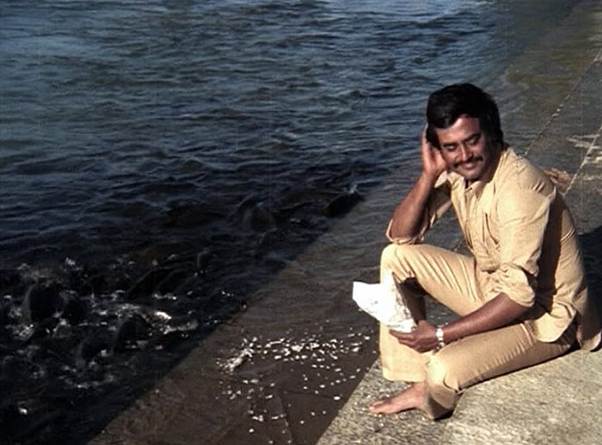
As Rajinikanth turns 75, the moment invites more than celebration—it calls for reflection. Few actors in Indian cinema have inspired devotion across generations, languages, and regions the way he has. Known fondly as Thalaivar, Rajinikanth is not just a movie star; he is a cultural phenomenon whose journey reads like cinema itself.
Long before the slow-motion swagger of Baasha or the flamboyant charisma of Sivaji: The Boss, Rajinikanth lived an entirely different life. Born in Maharashtra to a Marathi-speaking family, he has a father who was a police officer whose job brought the family to Bengaluru. It was here, far from arc lights and applause, that young Shivaji Rao Gaikwad took on a humble yet formative role—as a bus conductor.
Working on the Shivaji Nagar–Samrajpet route in Bengaluru, he famously conducted bus number 134. Even today, Rajinikanth recalls the route with clarity, a reminder of how deeply those years shaped him. The job did more than pay the bills; it gave him discipline, confidence, and the financial means to chase a dream that seemed almost impossible. Every saved rupee went toward enrolling in film studies in Chennai, a decision that would change the landscape of Indian cinema.
Once he entered the film industry, his rise was nothing short of meteoric. Within just four years, Rajinikanth had acted in over 50 films—an astonishing feat that spoke to both his work ethic and screen appeal. The 1979 film Tiger marked that milestone, signalling the arrival of an actor who could effortlessly dominate the screen, whether as a villain, supporting character, or lead.
While Tamil cinema crowned him its undisputed Superstar, Rajinikanth’s influence soon crossed linguistic boundaries. He acted in 11 remakes of major Bollywood films—many originally starring Amitabh Bachchan—and remarkably, each remake went on to become a blockbuster in the South. His Hindi cinema breakthrough came with Andhaa Kanoon (1983), a runaway success that ran for nearly 50 weeks and firmly introduced him to a pan-Indian audience.
Recognition followed naturally. In 2000, he received the Padma Bhushan, India’s third-highest civilian award, in recognition of his immense contribution to cinema. Yet, despite the accolades and unmatched fame, Rajinikanth has remained grounded—often attributing his success to hard work, timing, and humility rather than destiny alone.
At 75, Rajinikanth stands as a rare figure whose life mirrors the classic underdog story—proof that stardom can rise from the most ordinary beginnings. From a Bengaluru bus conductor to a legend revered by millions, his journey reminds us why cinema continues to believe in miracles. And as long as that trademark smile and effortless style endure, Thalaivar will remain timeless.