
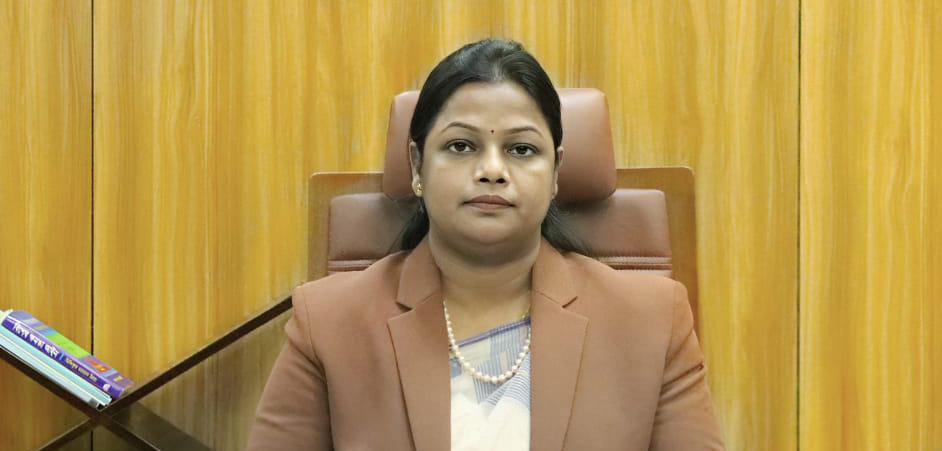
How Kurigram became a quiet symbol of administrative empowerment
In a nation in which women’s leadership in public service has been on the rise, Kurigram is an unlikely but potent example. Of the six Deputy Commissioners (DCs) appointed to the district in the past eight years, which is 221 from the capital since 1952, women constitute four of them — a bit more than just fits into the coincidence theory for locals. It marks a meaningful change in governance, empathy, and development priorities for many of its residents.
Kurigram was administered by six Deputy Commissioners (DCs) from March 2018 to November 2025. Among them were Sultana Parveen, Nusrat, Sifat and the debutant Annapurna Debnath. Their terms, residents say, were distinguished by visibility and access to power that bordered on unprecedented attentiveness to the needs of the grassroots — especially in the riverine char areas that are so frequently overlooked.
By its official account, there is no particular policy behind this pattern; however, Md. Raheed Hossain, Joint Secretary for the Ministry of Public Administration, insisted that it was merely a coincidence and emphasised that all appointments were made on merit. But perceptions on the ground are as important as policy.
Local journalists, women leaders, and civil society members agree that the legacy of back-to-back female leadership is visible. Nusrat Sultana’s various programs under remote char regions are particularly unforgettable. Her work, from expanding access to healthcare to targeted development outreach, changed the way state power was brought so close to the most vulnerable.
Her successor, Sifat Mehnaz, who spent only a brief time in office, carried on this momentum with ambitious proposals to rapidly improve entire districts. Now, all eyes are on Annapurna Debnath, who had earlier been Sub-Land Reforms Commissioner of the Land Reforms Board and took charge during larger administrative reshuffles in the run-up to the national polls.
Leadership became personal for the first time, for residents like Anwar Hossain of Jatrapur Union. He remembers a DC taking boats, motorcycles and even walking and offering services to char dwellers on the spot. Water ambulance, he says, has been nothing short of lifesaving. “For people like us, this was a godsend,” he says.
Amena Khatun, a housewife, highlights the softer but eminently significant changes—child nutrition camps, Milk Day programmes, reduced waterlogging due to improved drainage, and a newly developed riverside DC Park along the Dharla. “Kurigram is actually changing,” she says, evening now spent outside with family.
Young people echo that optimism. Ratul Ahmed, a higher secondary pass-out from a char area, says he has gained confidence through a district-level training programme. “At last, we can dream of standing on our feet,” he says.
Women’s political leaders view a wider effect. “This is a powerful sign of women’s empowerment within administration and a source of motivation to girls across the region,” said Professor Nazmunnahar Beauty, senior vice president of Kurigram District Mohila Dal.
Whether happenstance or unheralded advancement, Kurigram.
s recent administrative history is a powerful story — one in which leadership, along with empathy and presence, can reshape the governance people take for granted.