
The Directorate General of Forces Intelligence (DGFI) attempted to arrest the (co-coordinators) of the anti-discrimination student movement during the mass uprising of July 2024 and wanted to bring them to book, in the words of the (former) IGP, as testified during the trial on February 11, 2014.
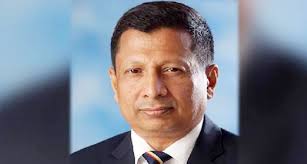
In his testimony as the 36th prosecution witness in the ongoing crimes against humanity trial, Mamun, who is now a state witness, gave a detailed account of government orders and actions by security forces to clamp down on the movement.
He testified that the suggestion for keeping student leaders in custody had originated from the DGFI. Mamun, however, had initially denied involvement but later “confessed” to following orders of the then-home minister Asaduzzaman Khan, who was later removed from the post. The operation was assigned to Mohammad Harun-or-Rashid, who was then the Chief of the Urban Terrorism and Criminal Investigation Department (UTCID) of the Dhaka Metropolitan Police (DMP).
High-Level Meetings at Dhanmondi
Mamun reported in detail on the series of nightly “core committee meetings” held at the Dhanmondi house of Home Minister Khan from June 19, 2024. These briefings, he said, assembled the most senior law enforcement and intelligence officials in the country, including:
Then–Home Secretary Jahangir Alam
Additional secretaries Tipu Sultan and Reza Mostafa
SB chief Monirul Islam
DB chief Harun-or-Rashid
RAB director general Harun-or-Rashid
DMP commissioner Habibur Rahman
BGB Director General Maj Gen Mohammad Ashrafuzzaman Siddiqui
Ansar and VDP director general Maj Gen AKM Aminul Haque
NTMC D officers’ club members were here on Friday, along with NTMC Director General Major General Ziaul Ahsan.
The heads of DGFI and NSI
At those meetings, plans were devised to suppress the protests. Among the most significant of those decisions, Mamun testified, was the order to arrest the driving forces behind the student movement.
Pressure and Coercion
The ex-IGP stated that when arrests were made and the student leaders were taken into DB custody, they were forced to give in to the talks with the government. Their families were also brought in and intimidated.
“The coordinators had to abandon that movement and go on TV and say, ‘Sorry, we had a mistake.’” Mamun said, addressing the tribunal. “In this case also, DB chief Harun took the lead in this regard.”
The ‘Jinn’ of Dhaka Police
In a damning aside, Mamun quoted Asaduzzaman Khan as having nicknamed Harun-or-Rashid “Jinn” – making a play on his name and suggesting he was somehow gifted at carrying out government orders. “Harun had expertise in executing any government decision,” Mamun said.
A Case with Far-Reaching Implications
The evidence comes in a case in which Sheikh Hasina and former Home Minister Asaduzzaman Khan are accused; so too is Abdullah Al-Mamun, who has pleaded guilty to his own role and is now a state witness. The tribunal focuses on accusations of crimes against humanity perpetrated during the July uprising — a defining moment of Bangladesh’s recent past.
As the trials advance, Mamun’s testimony is providing a body of evidence to illuminate how the machinery of the state operated during one of the darkest periods in the nation’s history.