
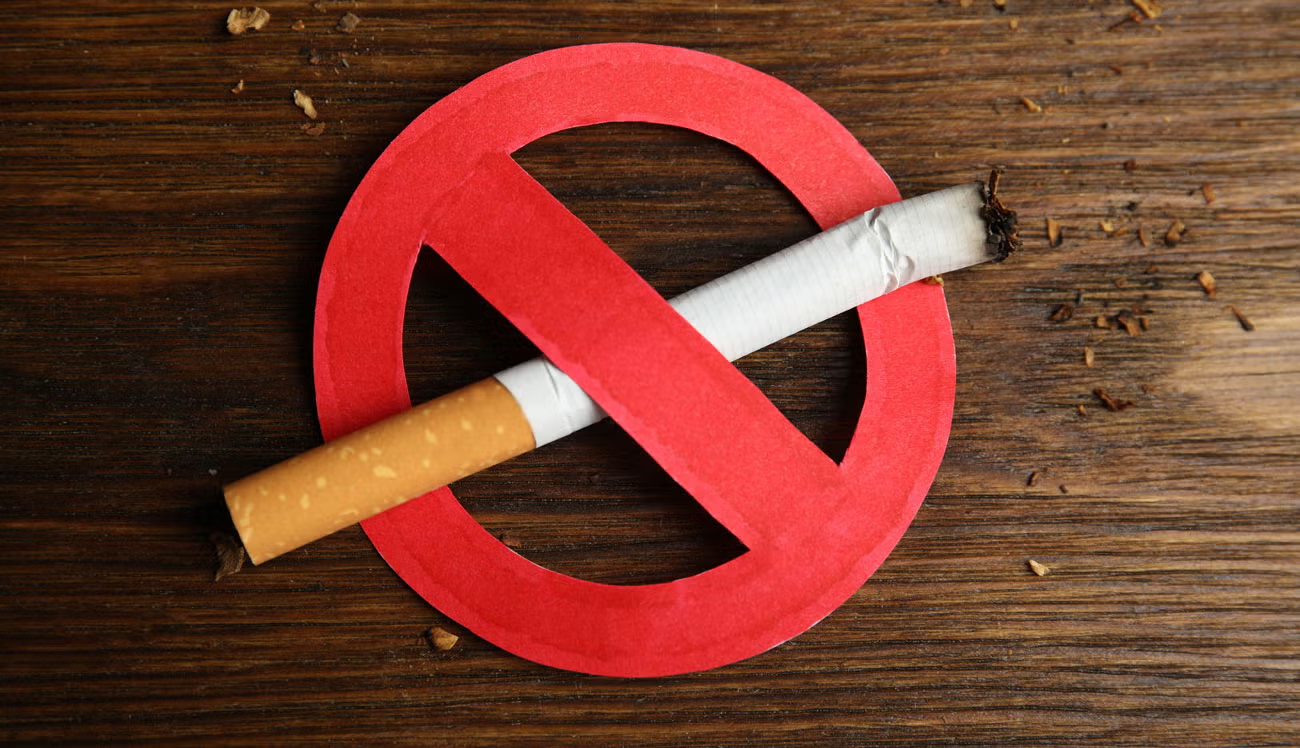
Just as Bangladesh works toward the ambitious target of a “Tobacco-Free 2040”, disturbing new revelations reveal that this headway is being impeded by none other than our old nemesis: the tobacco industry. The Global Tobacco Industry Interference Index (GTIII) 2025 was launched, and the results for Bangladesh should serve as a rude wake-up call to public health activists and policymakers.
A Global Crisis of Influence
Compiled by the Global Centre for Good Governance in Tobacco Control, the index assesses how 100 governments are protecting their health policies from commercial interests. The results are concerning. Almost half saw their scores decline as well, with public officials continuing to allow industry involvement in lawmaking and receiving corporate social responsibility (CSR) donations.
The report reveals an increasingly aggressive strategy: instead of working with health ministries, tobacco companies are exerting pressure on parliaments, finance officials, and even heads of state to postpone life-saving regulations.
The Bangladesh Breakdown
Bangladesh is now in the medium-to-high interference category. Although there was some slight progress compared to 2023, the report reveals a landscape of influence that is “deeply entrenched”. Your industry still plays leading man, from the redundant high-level meetings to state-facilitated awards for cigs firms; it’s a visible and potent player in the corridors of power.
The index reveals seven keys “red flag” issues in the Bangladeshi environment:
Tax Paralysis: Although research shows that higher prices reduce smoking, Bangladesh was one of 10 countries identified by the industry as having not raised tobacco taxes after pushbacks from the industry. Of particular importance are bidis: in the FY 2024-25 budget, taxes on bidis were not increased.
The ‘Revolving Door’: The report highlights glaring conflicts of interest, such as high-ranking government officials serving on the boards of leading tobacco companies.
The CSR Trap: Tobacco-funded “charity” work continues to be a principal means of access to those in power. And be it disaster relief or environmental work, such partnerships frequently result in public endorsements from ministers, which bestow on the industry a “halo effect” it hasn’t genuinely earned.
A Roadmap for Change
The 2025 Index is not just a formal accusation: It’s a how-to for reform. The best way for governments to fight back against this influence is by making Article 5.3 of the WHO Framework Convention on Tobacco Control legally binding at the national level, as countries like Peru and Ethiopia have demonstrated. This article requires that health policies be shielded from vested commercial interests.
To improve its levels, the report says, Bangladesh has to:
Take a Whole-of-Government approach: Rules cannot be only for public health officials, they must also concern the finance, commerce, and agriculture ministries.
Require Transparency: Every encounter between an official and a tobacco lobbyist should be reported publicly.
Ban CSR and Awards: Stop the policy of tobacco companies buying political access by using “good deeds.”
The Bottom Line
Tobacco consumption remains a major cause of premature deaths and non-communicable diseases in Bangladesh. The index does not lie big tobacco is no “development partner.” One can only dream of a tobacco-free nation where the government will slam shut its door on lobbying and stop regarding cigarette-making as a personal stake inimical to public health.
The real test will be the budget cycles and voluntary changes to statute. Will our leader’s side with public health, or will the smoke keep getting in their eyes?