
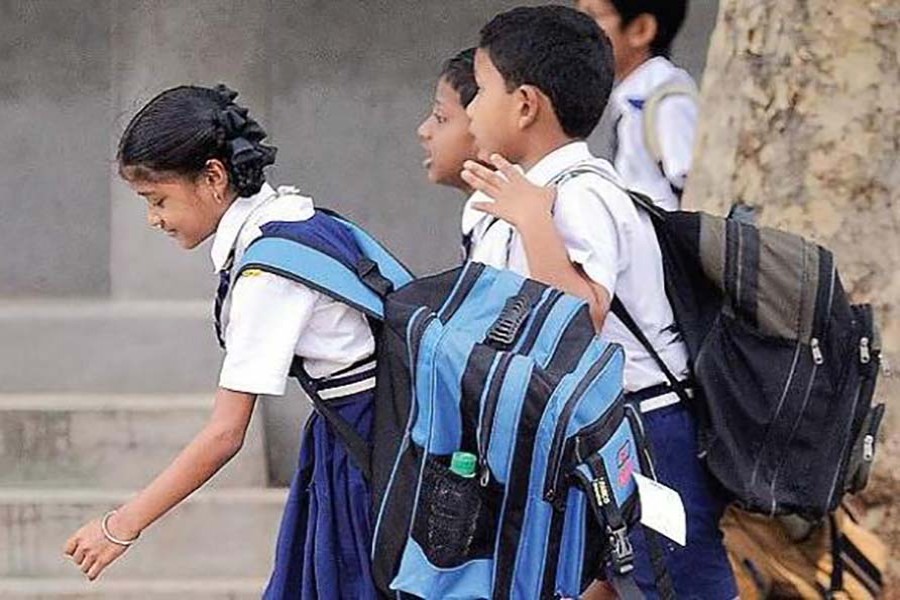
Heavy schoolbags have emerged as a silent but significant health challenge for school-going children. From Literacy loss and scaling up the efforts of child rights organisations, young people are developing Back-breaking Bags in Schools. While an academic journey is supposed to shape young minds, it appears that strain-laden bags are silently deforming their tender bodies. Perhaps a pragmatic, bare-bones solution would be to have lockers in classrooms; the burden of those carrying heavy books from one class to another could be greatly reduced.
Why Heavy Bags Are Harmful
Kids are still in the process of growing, and their bones, muscles, and ligaments aren’t fully formed to be able to withstand constant pressure. The epiphyses of the vertebrae are extremely sensitive. Heavy school Bags. Children who regularly carry heavy bags to school may suffer both temporary and long-term damage to developing spines.
Musculoskeletal Issues
Strain on muscles & ligaments
Lumbar sprain or issues with the muscles around the spine
Increased risk of development of kyphosis, forward shoulder posture, or forward head posture
May have both scoliosis and kyphosis.
Shoulder pain from carrying bags on one side of the body.
Neurological Issues
Additionally, the straps can press on your shoulders and affect the brachial plexus (a network of nerves), which may cause pain or discomfort.
Other Effects
Change in the way they walk and difficulty concentrating at school.
– The daily pressure of weight-bearing stunted the growth of the physical body
Preventive Measures
Parents, teachers, and the children themselves can minimise risks with simple yet effective measures:
No schoolbag should weigh more than 10–15% of a child’s body weight.
opt for broad, soft, adjustable straps.
Hang bags at the waist, never below the hips.
The heavier books need to be closest to the child’s back.
Always use both shoulder straps; never sling the bag over 1 shoulder.
Take only the textbooks you need for your day’s classes.
Take breaks from carrying – you will have less to carry that way!
Recommend 30–45 minutes of physical activity daily (jogging, swimming, etc)
If Problems Occur
Pain management**: heat, ultrasonic and TENS therapy; short-term pain relievers if needed.
Muscle strain relief: Exercises to stretch and strengthen damaged muscles**: These may include planks, bridging, superman, prone extension, wall angles, and shoulder retraction.
Posture training**: Training of right posture in front of a mirror; include posture awareness sessions in the school curriculum and make children aware of how to carry their bags.
Vocational training**: Parents and teachers should check bags daily to remove unwanted items; teachers should allow locker access and encourage pupils not to carry extra books.
Conclusion
Heavy bags may seem to be a small annoyance, but they can have serious long-term implications for the health of kids. Young children’s spinal health can be protected mainly by some easy measures, like installing lockers in schools, as well as alerting their parents and teachers. Together, we can see that the search for enlightenment develops only the mind and not at the expense of the body.