
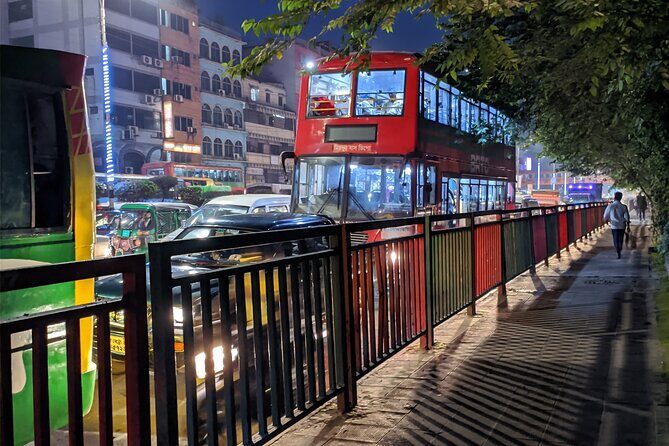
Where Every Step Tells a Story
Imagine walking through a city where every step could be your last, not because of crime, but because the ground itself might betray you. In Bangladesh, especially in Dhaka, pavements are not only pavements, but they’re also an unknown theatre of hazards. What should be a safe urban necessity is instead a daily assault course, an obstacle for millions who must negotiate broken concrete, open manholes, hanging wires and sudden voids.
Welcome to the untold story of Bangladesh’s sidewalks, a city labyrinth in which survival depends not so much on vigilance but on resilience.
The Urban Maze: How Pedestrians Are Paying the Price
Sidewalks in Dhaka offer an immediate visual jolt. The most rudimentary urban act – walking – is a strategic one, as pedestrians navigate cracked slabs, overflowing sewage and vendors spilling onto already narrow paths. For many, it’s not so much where to go, but how they will get there safely.
This is the daily reality that millions face as they traverse spaces not built for their safety or comfort. Sidewalks that are frequently blocked, damaged, or nonexistent leave people, children, workers, and the elderly to decide whether to navigate chaotic streets or risk travelling on perilous paths.
Hidden Hazards, Real-Life Consequences
There’s a story behind every cracked sidewalk. Some are stories of narrow escapes; others resonate with loss and injury.
Residents describe near misses: a misstep over an open manhole, a slippage on wet concrete, and a jolt from an exposed electrical wire. Some will result in broken bones, lost wages, and medical bills that stretch beyond an average household budget.
But the effects swung back and struck healing as well:
Delays and chaos on commutes add to the stress of an already overstretched urban population.
Healthcare expenses increase with the prevalence of sidewalk-related injuries.
Psychological pressure accumulates, even when an ordinary walk to school or another destination is undertaken under strain and amid uncertain threats.
It has turned a simple urban service that should be the most basic of infrastructure into a public health problem.
Infrastructure Neglect: A Deeper Dive
How have sidewalks in Bangladesh become soiled and dilapidated?
The solutions are both structural and systemic:
Thoughtful city planning has been overtaken by fast-paced urbanisation.
Poor enforcement enables illegal encroachment, unregulated repairs, and dangerous construction.
There are confusion and a lack of accountability due to the division of responsibilities between these various municipal bodies.
When compared to pedestrian infrastructure in other developing countries, the omissions become glaring. There are other cities – Hanoi or Kathmandu – both with their own challenging circumstances, which have also achieved remarkable improvements in their accessibility network and safety measures.
In Bangladesh, it is those who are most vulnerable that suffer the most; the elderly, people with disabilities and parents with prams all endure a greater degree of difficulty when trying to walk along our city’s lopsided, blocked-up footpaths.
Bittersweet Cafe’s daily grind: Tales of toughness
But the human spirit does not dim in the face of these challenges.
Rickshaw pullers toil, garment workers sweat, students learn, and street vendors slog on. Some carve out new ways of experiences and expression; others know the landscape by heart, memorising safe places and dangerous corners.
In many neighbourhoods, there are small community-led efforts with hopeful signs: residents put up bamboo poles to warn others about open drains, shopkeepers fill in sections of broken pavement, and volunteer groups clear blockages.
These actions may be small, but they express a potent truth: people are not willing to give up their right to safe mobility.
Blazing a Trail for the Passage of Hope and Solutions
Bangladesh’s sidewalk crisis isn’t insoluble. What is needed now is concerted action, decisive leadership, and public pressure.
What do you believe should be done?
We can create progressive, humane urban planning that prioritises people over cars.
We ought to make open investments in the creation and maintenance of safe sidewalks.
Strict checking and, if necessary, passing of law for encroachment in places without authorised work.
Inclusive design for people with disabilities, older adults, and carers.
Greater pressure on the part of citizens, from bottom-up campaigns to awareness-raising activities via social media, demanding that those in office be accountable.
Change starts when a society first recognises that safe sidewalks are not a luxury but the most basic right of its citizens.
A Future Worth Walking Toward
For now, the sidewalks of Bangladesh are dangerous places, but they are also places to look for more profound truths: people still walk, still press on, and still find ways to survive. And in that resilience, there is hope.
If cities are the heartbeats of nations, then sidewalks are their pulses, a measure of values, priorities and the dignity afforded to city dwellers. Keeping them safe is not a question of infrastructure so much as an investment in humanity.
The question now is urgent but simple:
Will Bangladesh lead the way in safer streets, or will its people remain forced to carry the burden of a flawed process?
The solution’s right under our feet.