
Bangladesh Moves to Protect Internet Freedom and Privacy
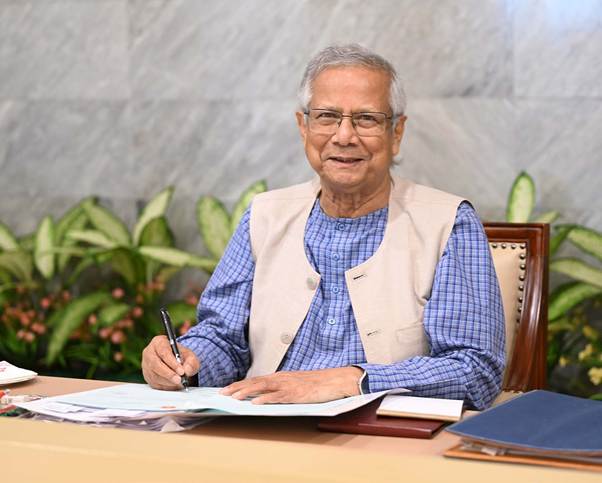
Bangladesh has made a bold move to secure digital rights, particularly privacy and security of information, which is especially important for democracy, by adopting the Bangladesh Telecommunication (Amendment) Ordinance, 2025. The council decided at its weekly meeting held in the office of chief adviser Muhammad Yunus in Tejgaon, Dhaka.
The amendment, at its core, contains a historic assurance: a permanent prohibition on internet and telecommunications shutdowns under any circumstances. This measure, in Section 97, would target some (but not all!) of that angst over service loss: taking the internet into the realm of a protected public utility rather than a luxury choice.
Restoring Regulatory Independence
Another substantial change is in the way powers and responsibilities have been returned to BTRC. In rolling back the divisive 2010 framework, the ordinance redraws the power equations between the regulator and the ministry. The new legislation will make it mandatory for the BRTC to seek ministerial approval for only a few national-level licences based on independent studies, with most licensing decisions being wholly determined by the BRTC.
For better monitoring, an Accountability Committee has been set up, headed by the chairperson of the Parliamentary Standing Committee on Posts and Telecommunications. The action would improve transparency and reduce political interference in regulatory actions, it added.
Encouraging investment and increasing transparency
To create a more investment-friendly telecom sector in the country, by slashing down licence approval time and giving relief from hefty fines and recurring penalties. Transparency has also been strengthened, with the BTRC required to hold public hearings every four months and to post online follow-up measures. Institutional credibility is also enhanced by new measures regulating conflicts of interest (§87).
Stronger Data and Speech Protections
In response to increasing privacy concerns, the amendment provides strong safeguards against the misuse of individuals’ personal information. The use of SIM and device registration data for surveillance or harassment has been criminalised (Section 71). Significantly, the controversial speech-offence provision was narrowed in 2025 to make it an offence only if one incites violence (Section 66A of the Cyber Security Ordinance).
The law further provides new modalities for appeal and arbitration in sectoral disputes (article 82B), which allow citizens, both as plaintiffs and defendants, as well as operators, to pursue their claims with greater legal clarity.
A Fresh Oversight Paradigm for Interception
Among the most important institutional changes is the termination of the National Telecommunication Monitoring Centre (NTMC) and the establishment of the Centre for Information Support (CIS) in the Ministry of Home Affairs (Section 97A). Most importantly, the CIS shall not, in itself, engage in surveillance; it will assist only with the technical aspects of legal interception.
Lawful interception is now narrowly circumscribed to national security, law and order, emergency life-saving situations, and judicial or investigative purposes. The resolution requires procedures that meet the gold standard worldwide.
For accountability, a quasi-judicial council has been formed to entertain complaints related to unauthorised interception.” The Parliamentary Standing Committee will also prepare and publish an annual report that reviews interception practices, budgets, and institutional capabilities.
Aligning with Global Standards
The amendment also includes provisions to protect images and voices, reinforce safeguards for SIMs and device data, and harmonise telecom governance in Bangladesh with international standards adopted by United Nations (UN) agencies, including the International Telecommunication Union (ITU).
Final approval of the ordinance is a turning point, coming after in-principal endorsement on November 20 and subsequent reviews by the Ministries of Home Affairs, Finance and Planning. For Bangladesh, this indicates a firm commitment to digital freedom, privacy, and a more open, globally minded telecommunications future.