
What it means for South Asian diplomacy
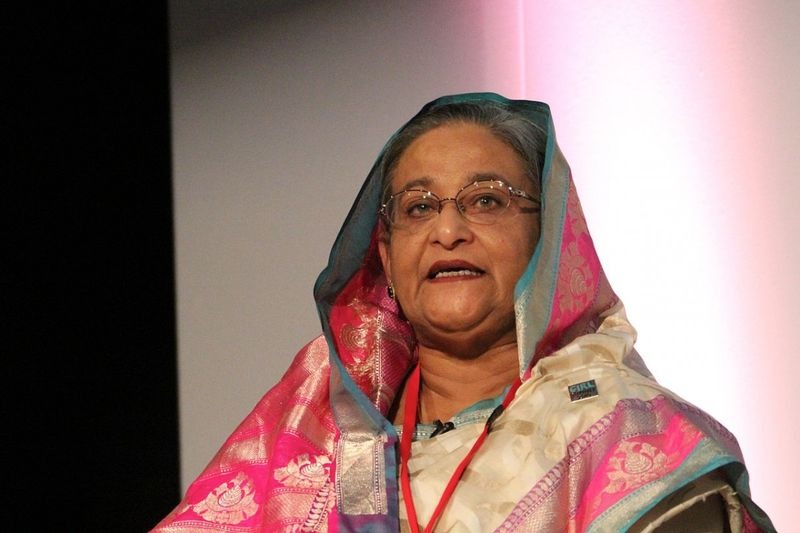
India has officially confirmed that it is examining Bangladesh’s renewed request to extradite former Prime Minister Sheikh Hasina. This development has added fresh urgency to an already tense political landscape in the region.
Speaking to the press on Wednesday, Indian Ministry of External Affairs (MEA) spokesperson Randhir Jaiswal acknowledged that New Delhi has received Dhaka’s latest diplomatic communication. “We have received the request, and it is under examination,” he stated, offering no further details on the timeline or the direction of India’s decision.
This comes after Bangladesh’s Foreign Affairs Adviser, Md Touhid Hossain, reiterated that Dhaka is awaiting an official response. While tempering expectations regarding immediate feedback, he expressed confidence that India would eventually reply. “I do not expect them to answer within a week of Dhaka’s request, but we expect we will get an answer,” Hossain told reporters. When pressed, he clarified once more: a response will come—just not within seven days.
A Renewed Appeal Amid a Controversial Verdict
Bangladesh’s fresh request was triggered by a recent ruling from the International Crimes Tribunal-1 (ICT-1), which sentenced Sheikh Hasina and former Home Minister Asaduzzaman Khan Kamal to death. The case centred on alleged crimes against humanity during the July–August mass uprising of the previous year. Former Inspector General of Police Chowdhury Abdullah Al-Mamun, who testified as a state witness, received a five-year prison term.
Bangladesh sent the new diplomatic note, or note verbale, through its High Commission in New Delhi—an acknowledgement that the first request, sent last year, elicited no response.
A diplomatic source in New Delhi told UNB that the latest communication was dispatched shortly after Dr Khalilur Rahman’s return, Bangladesh’s National Security Adviser and High Representative on the Rohingya issue. Dr Rahman had attended the Colombo Security Conclave’s NSA meeting in New Delhi on November 20 at the invitation of Indian NSA Ajit Doval.
Bangladesh’s Firm Position
Following the ICT verdict, Bangladesh’s Ministry of Foreign Affairs issued a strong statement urging India to hand over both Hasina and Kamal immediately. The ministry emphasised that, under the existing extradition treaty, India is obligated to surrender individuals convicted of crimes against humanity.
“It would be a grave act of unfriendly conduct and a travesty of justice for any other country to grant shelter to these individuals,” the statement read, underscoring Dhaka’s insistence on regional cooperation and legal reciprocity.
India’s Measured Response
India, meanwhile, has taken a carefully calibrated tone. In its official statement, the MEA noted the tribunal’s verdict but maintained that its priority remains the stability and well-being of Bangladesh.
“As a close neighbour, India remains committed to the best interests of the people of Bangladesh, including in peace, democracy, inclusion and stability in that country,” the statement said. It added that India will “engage constructively with all stakeholders,” hinting at a cautious diplomatic balancing act.
What Lies Ahead?
As India evaluates the extradition request, analysts expect both legal scrutiny and political calculation to play significant roles. The case involves sensitive issues: cross-border diplomacy, domestic political tensions in Bangladesh, and the potential impact on regional stability.
For now, Dhaka has signalled patience—but also persistence. And New Delhi, while non-committal, acknowledges its role in navigating a moment that could shape the future dynamics between the two neighbours.
With both sides proceeding deliberately, the coming weeks may set a defining tone for South Asian diplomacy—one that Cinebuzz Times will continue to follow closely.