
Background history
Dinajpur has a two millennia long and rich past. Once it belonged to the major kingdom of Pundravardhana, an ancient state in ancient Bengal.
The following describes its historical background: Pre-12th Century Ancient Period:
Dinajpur belonged to the Pundravardhana Kingdom, which was itself a component of the Mauryan Empire in the fourth century BCE. Jainism was quite common in the area at the period.
• Gupta and Pala Dynasties: From around 750 CE, the area was under the authority of the Gupta Empire then later the Pala Dynasty.
Dinajpur also participated in the Kaivartta uprising and invasions by hill composite countries during the Pala dynasty. • Senas Dynasty: In 1143 the Palas was ousted by the Senas.
• Kotivarsha/Devkot: During the Mauryan and Gupta periods Bangarh, close to Gangarampur (now Dakshin Dinajpur, India), was a thriving significant centre known as Kotivarsha or Devkot. Archaeological discoveries point to the dissemination of both Buddhism and Jainism. Middle Ages (12th to 18th Century):
• Muslim Rule: Bangarh became the capital of Muhammad bin Bakhtiyar Khalji after he routed the Senas in 1204. Following his death, several Delhi Sultan appointees from Gauda ruled over the region.
• Mughal Era: Dinajpur was under control by Tajpur and Panjara when the Mughal Emperor Akbar invaded Bengal in 1586. During the Mughal era, Ghoraghat was a major municipal hub.
• Dinajpur Raj: Legend credits a Dinaj or Dinaraj of the Dinajpur royal line with naming Dinajpur. Though its beginnings are unknown, some claim Raja Ganesh in the early 15th century and others King Sri Matta Dutta. The Dinajpur Rajbari (palace) was a symbol for the larger Dinajpur district from 1806 until 1951. British Colonial Period (18th–20th Century):
• East India Company control: Eight years following the Battle of Plassey in 1765, the English troops invaded this territory, therefore ending Nawabi control and declining Ghoraghat as a capital.
One of the first district cities, Dinajpur developed at the start of East India Company control over Bangladesh.Official establishment of British administrative administration in Dinajpur in 1786 resulted in a district office in 1793.
• Administrative Changes: Dinajpur once comprised the largest undivided Bengal administrative district. For administrative sake, certain areas of Dinajpur were moved to other districts like Purnia, Rangpur, Rajshahi, Bogura, and Malda between 1833 and 1870.
• Indigo Plantation: Last decade of the 18th century witnessed the beginning of an indigo plantation in the area.
• Sanyasi and Fakir Rebellion: Raids of pillage by Sanyasis and Fakir devastated the area second part of the 18th century.
• Municipality: One of the first forty municipalities in Bengal, the Dinajpur Municipality came into being in 1856 Dinajpur residents vehemently opposed the Bengal Partition in 1905 and took part in the liberation
fight. Post-Partition and Modern Era (1947–Present):
• Partition of India (1947): The larger Dinajpur district split with the division of India the western section formed West Dinajpur district in West Bengal, India; the remainder joined East Pakistan (now Bangladesh).
• Bangladesh Liberation War (1971): Dinajpur people made major contributions to the War of Independence. • Further Divisions: Thakurgaon and Panchagarh Sub-divisions of Dinajpur district in Bangladesh became separate districts in 1984.
In 1992 the West Dinajpur district in India was split even more into Uttar Dinajpur and Dakshin Dinajpur.
Dinajpur now is wellknown for its agricultural output, especially litchis and fragrant rice, and features numerous notable universities.
Renowned People of Dinajpur
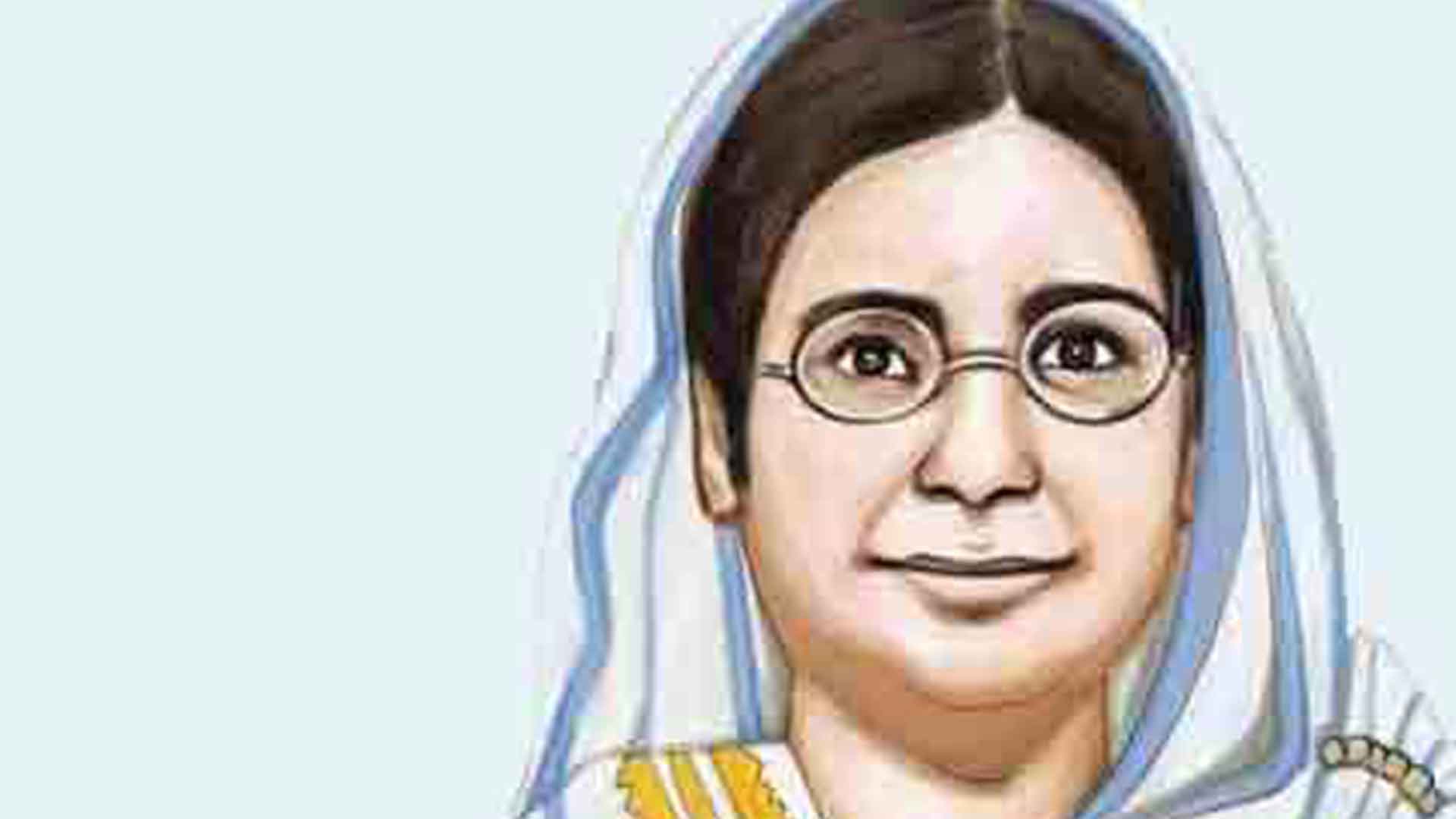
From politics to literature to arts to social change, Dinajpur, a northern Bangladesh (and West Bengal, India) area has produced numerous eminent people who have made major contributions in many different sectors. Some well-known individuals connected with Dinajpur are listed here: Bangladesh (in the Dinajpur District) From Payraband, Rangpur (then part of Dinajpur district), pioneering female writer, educator, and social reformer Begum Rokeya Sakhawat Hossain (1880–1932). She founded the first school for Muslim girls in Kolkata and is most well-known for her promotion of women’s rights and education. Prominent politician and minister Mashiur Rahman Jadu Mia (1918–1979) was well-known for his participation in the independence fight for Bangladesh. Renowned journalist, author, and liberation fighter Abdul Quddus Chowdhury (1921–1984) made major contributions to Bengali literature and media. Renowned Islamic scholar and writer Shamsul Haque Faridpudi (1896–1969) was instrumental in Bangladesh’s Islamic education campaign. Celebrated Bangladeshi poet and writer Nirmalendu Goon (b. 1945) was noted for his audacious and revolutionary writings. Dr. Muhammad Shahidullah (1885– 1969) – Though mostly connected with North Bengal, this outstanding linguist and researcher made great contributions to Bengali language and literature. India (Dinajpur District – West Bengal) Notable Indian independence activist and politician from West Bengal Swarup Roy (1913–1984) Renowned Bengali writer and journalist Gour Kishore Ghosh (1923–2000) was instrumental in advancing literature. Renowned Bengali novelist and short story writer Kamal Kumar Majumdar (1914–1979) was noted for his unconventional writing approach. Born in Bankura but spent much time in Dinajpur, Ramkinkar Baij (1906–1980) was a pioneering modernist painter and sculpture. Each of these people has left enduring legacies in their respective disciplines, therefore augmenting the intellectual, political, and cultural legacy of the area.
Tourist Attractions of Dinajpur
Nestled in northern Bangladesh, Dinajpur is a district bursting with natural beauty, history, and culture. Dinajpur boasts several quite noteworthy tourist attractions here:
- Kantajew Temple (Kantanagar Temple) an amazing Hindu temple constructed under Maharaja Pran Nath in the eighteenth century. Well-known for its complex patterns and terracotta works. Among the most exquisite models of Bengal temple construction.
- Park of Ramsagar Nationalism a sizable man-made lake Raja Ram Nath created during the 18th century.
- Perfect for a picnic since surrounded by a deep forest. Perfect for boats and birdwatching.
- Negabad Mosque a mosque from the Mughal era with original architectural style. Has three domes and elaborate terracotta accents.
- King’s Palace’s Dinajpur Rajbari the surviving traces of the Dinajpur monarchs’ regal residence. captures Bengal’s grandeur of the Zamindari age.
- Sukhsaggara In the middle of Dinajpur town is a picturesque pond and park area. a well-liked venue for family trips and leisure.
- AOWKora Mosque One more old mosque featuring terracotta art. Constructed under the Sultanate.
- Matasagar (lake Matasagar) A lovely lake amid vegetation. a quiet vacation apart from the metropolis. Eighth: Shopnopri Artificial Amusement Park a theme park including leisure activities, gardens, and manmade lakes. Has boats, a toy railroad, and a tiny zoo. Dinajpur Museum exhibits local legacy objects, sculptures, and historical relics. offers understanding of the local history and culture.
- Border Area & Heli Land Port a main commercial and travel hub between Bangladesh and India. Visitors can see the local markets and border area.
Due to nice weather, winter (November to February) is the best season to visit Dinajpur. Travellers interested in tradition and scenic beauty will find Dinajpur a fantastic place with its blend of historical, cultural, and natural features.
Traditional Dishes of Dinajpur
Inspired by several Indigenous cultures, especially the Koch-Rajbongshi, Dinajpur, in North Bengal (both Bangladesh and West Bengal, India), has a rich gastronomic legacy.
Dinajpur has its own unique traditional food even although mainstream Bengali cuisine (rice, fish curries, bhortas, and a wide variety of desserts) has many characteristics.
Usually connected with Dinajpur, these are some classic cuisines and culinary products: Savoury Recipes:
Often combined with other accompaniments such mashed aubergine (begun bhorta), mashed dried chillies, mashed onions, and fried meat, Kalai Ruti is a well-known traditional flatbread prepared from black gramme (mashkalai).
Usually speaking, it is thicker and bigger than standard wheat rotis. Made mostly from leafy greens or leaf vegetables, pelka—Pyalka/Sholka—is a distinctive soup-like meal.
It’s noteworthy for being made without oil and for adding baking soda to help the greens cook completely and get a slippery consistency. Often included are many greens, salt, green chilli, and garlic. Some variations can call for jackfruit seeds.
Aloo Ghati: Originally from North Bengal, including Dinajpur, this classic potato curry Particularly at village events, this is a much-loved meal.
It usually calls for many spices together with meat or seafood. Made from Dinajpur, this dish—which uses “khud,” or broken rice—is typically presented alongside fried eggplant, fried Hilsa fish, and numerous kinds of bhortas, or mashed foods, including dal, tomato, coriander, and egg. Made with fish head, ghati—which highlights the area’s focus on fish in its cuisine—highlights Bora prepared with khesari kolai, a kind of lentils, by Khesari Kolai Made with taro leaves and regional dried fish, sidol is a classic meal.
Chhaka: Any vegetable fried in rice flour and soda, or more especially “phoktai” fried in soda. meat Kala Bhuna: Originally from Chittagong, this slow-cooked beef stew with powerful spices is quite famous all throughout Bangladesh, including Dinajpur.
Usually presented on extraordinary events, morog polao is a delicious rice meal made with chicken. Fish is a mainstay, much like in other areas of Bengal.
Common dishes employing freshwater fish like Rohu, Katla, and Pabda are dishes like Macher Jhol, fish curry with many spices. Bhorta, or mats:
Commonly seen as side dishes with rice, an enormous range of mashed vegetable or fish dishes is Among the several fish bhortas are Begun Bhorta (mashed aubergine), Aloo Bhorta (mashed potato). Desserts & Sweetness: Popular treat across Bengal, sweet yoghurt is called mishti doi.
Many classic Bengali sweets: Like other parts of North Bengal, Dinajpur is well-known for its dairy products and has a selection of sweets derived from milk products including chhena (cottage cheese), including Laddu, Chomchom, Rasmalai, and Roshogolla. Made from milk and usually jaggery, payesh is a rice pudding treat.
Additional Notable Objectives: Local Rice Varieties: Dinajpur is well-known for its output of rice; traditional varieties like Lal Bhaat are found here.
Trying these regional delicacies helps one to really experience the unique gastronomic character of Dinajpur.
Conclusion
The culinary tradition of Dinajpur, inextricably linked with its essence and soul, transforms simple farm produce into succulent masterpieces that reflect its rich agricultural history. Its cuisine is rooted in a centuries-old tradition, celebrating rice, fish, and communal sitting in comfort.
Dinajpur offers a wealth of culture through its rich history and diverse cuisine. Tourists are also attracted by the famous Kantaji Temple and the traditional flavours of pitha and shutki bhuna. This region’s deep-rooted history is mirrored in its delicious cuisine, with each dish telling a story about the land and its people.
The region’s food turns straightforward farm products into delightful dishes, harvested from the fertile soil at dawn. These age-old recipes, perfected over centuries, honour classic ingredients like rice and fish, inviting families and friends to share a meal full of joyful camaraderie.
While exploring Dinajpur, you will discover a diverse blend of taste and culture rooted in agriculture. Wilmette is more than a microcosm of culinary tradition; it is a town rich in culture and history.
Among the notable sights in Kantaj’s area, the most remarkable is undoubtedly the stunning Kantaji Temple, featuring exquisite terracotta decoration and a serene, otherworldly calm.
The local specialities, such as pitha a rice cake often filled with sweet or savoury ingredients and shutki bhuna, a strongly flavoured dried fish dish, are sure to captivate both visitors and locals. Dinajpur welcomes you to explore its history and unique fusion of cuisines, creating memorable experiences every time.